The only surviving Amagozan, five nunneries in Kamakura, Tokeiji is famously known as Kakekomi-dera, offering refuge for women seeking divorces in the feudal age where this was uncommon.
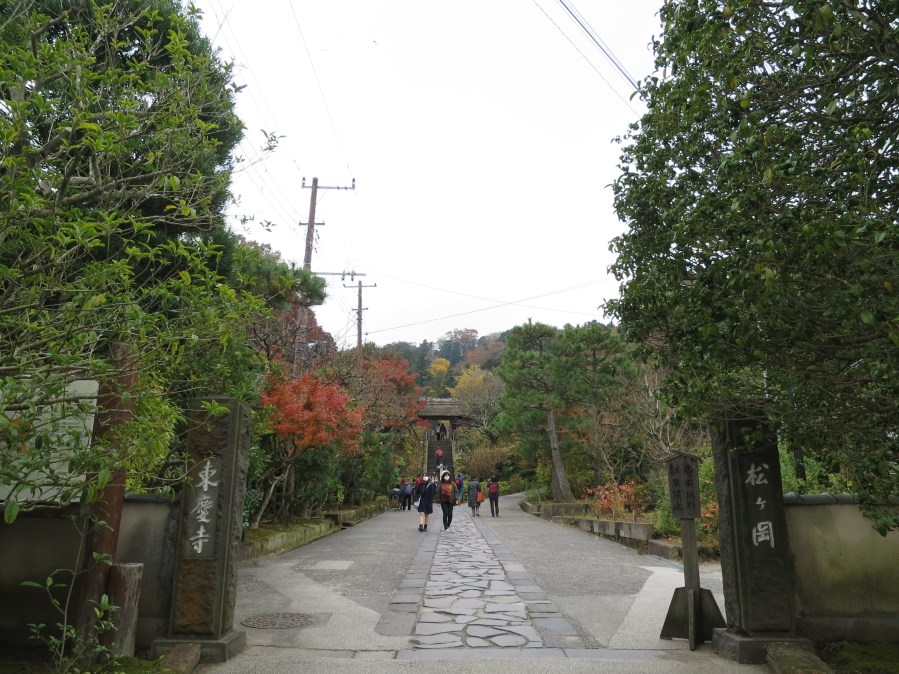
The only surviving Amagozan, five nunneries in Kamakura, Tokeiji is famously known as Kakekomi-dera, offering refuge for women seeking divorces in the feudal age where this was uncommon.
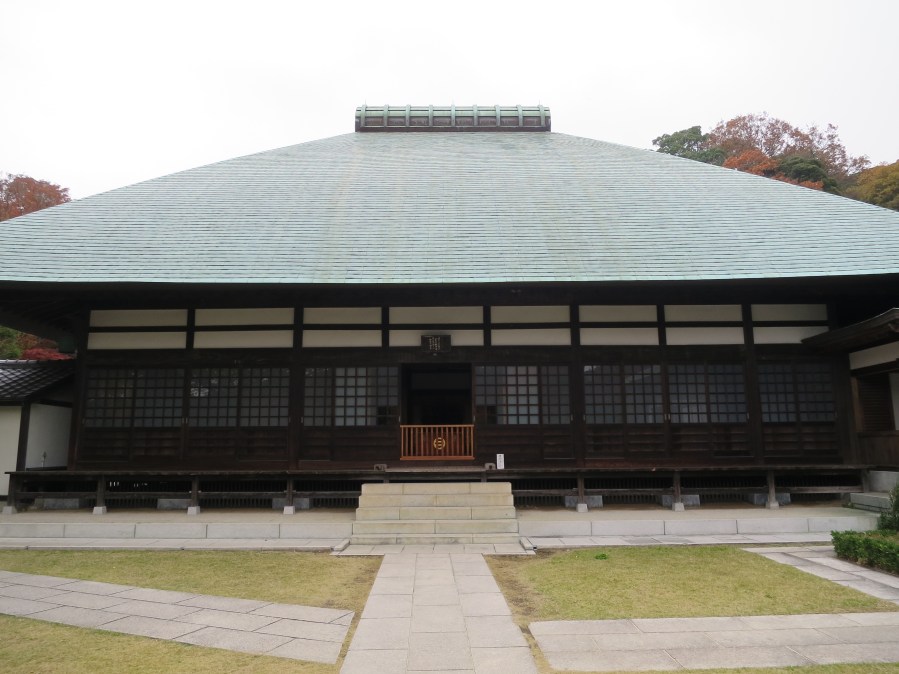
Despite being number five of the Kamakura Gozan, Jomyoji is a perfect quiet retreat, hidden away from the bustling Kamakura tourist crowd. Closely associated to the Ashikaga shogunate, the temple is now only survived by the main temple and few other buildings, thus its simplicity.
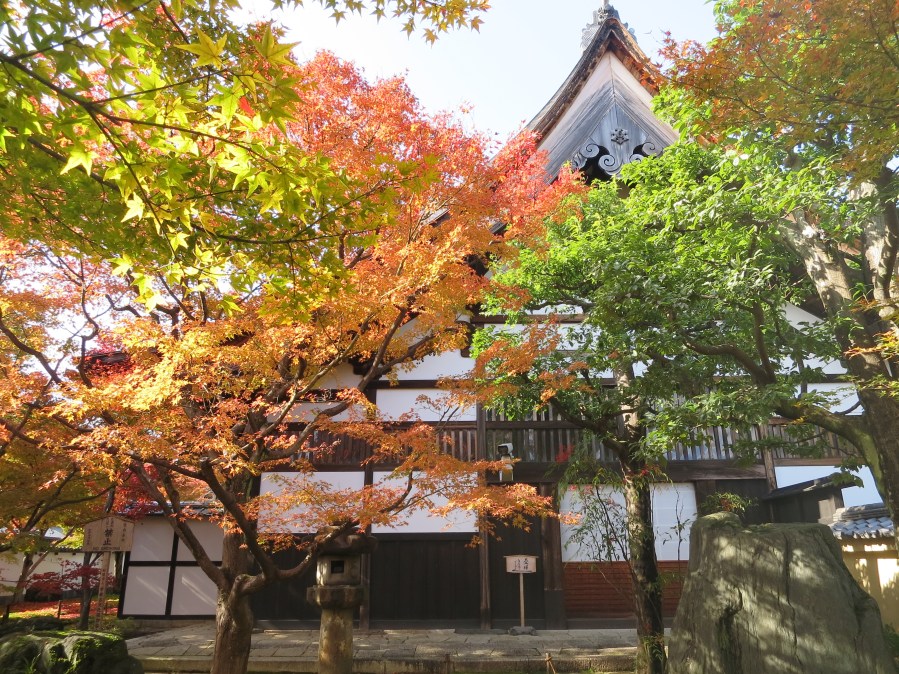
Continuing my exploration at Daitokuji, visiting Souken-in - the mortuary temple of Oda Nobunaga, Ōbai-in - famous for the rare kare-sansui garden Jikuchu-tei which is covered in moss, and Ryogen-in which boosts 5 different dry landscape gardens.
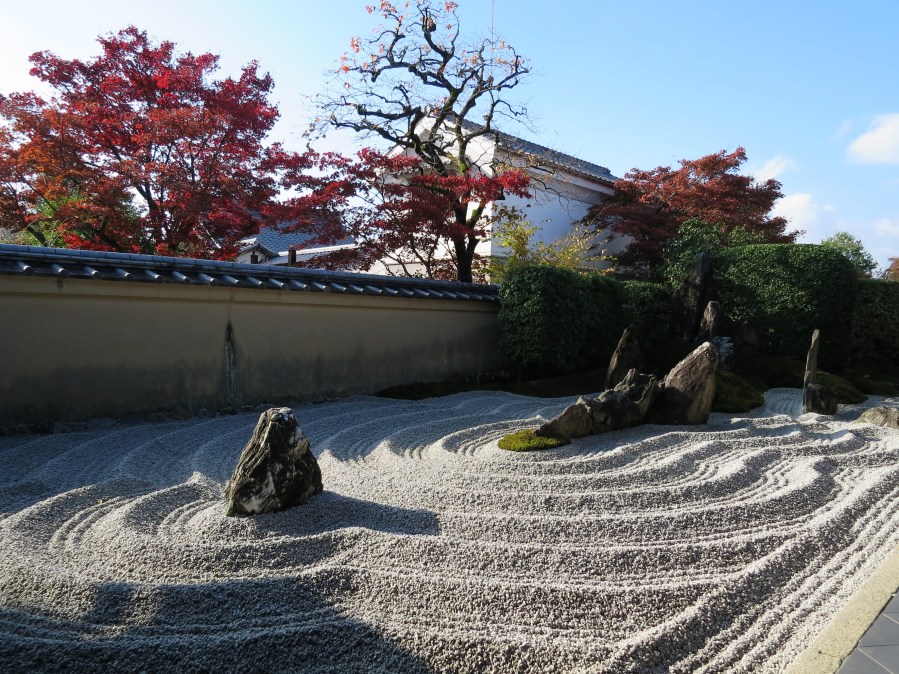
Exploring the massive Daitokuji, the Rinzai-sect of Buddhism temple complex and some of its sub-temples, all famous for their kare-sansui, dry landscape rock gardens - Daisen-in, Zuihou-in and Kourin-in.
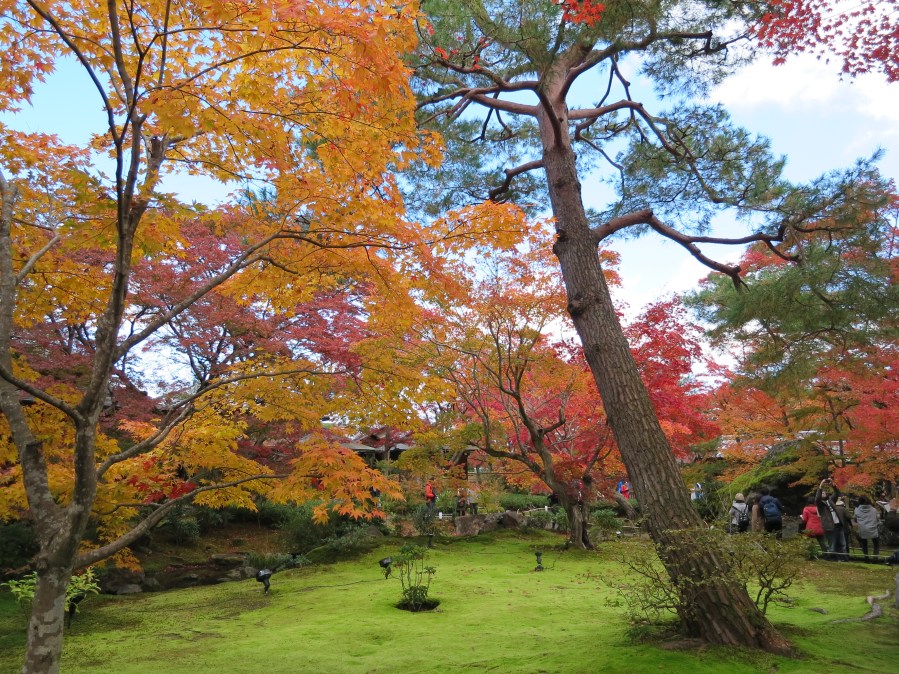
Catching bright autumn colors at the Shishiku no Niwa, a garden of Hogon-in, sub-temple of Tenryu-ji in Arashiyama.
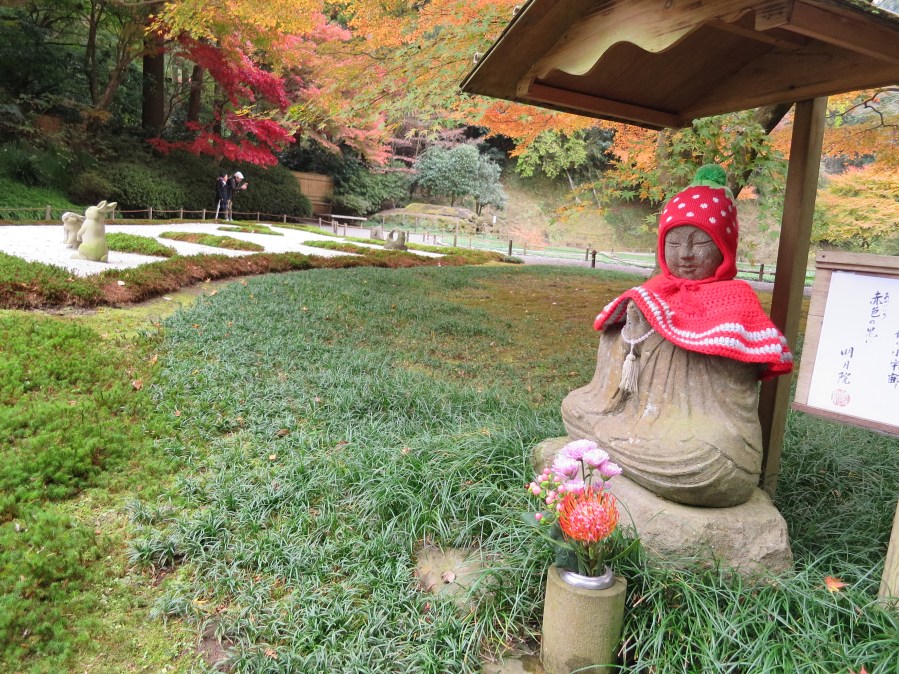
Visiting Meigetsu-in in Kamakura, famous as Ajisai-dera (Hydrangea Temple) during autumn to see the autumn foliage which was just turning color.
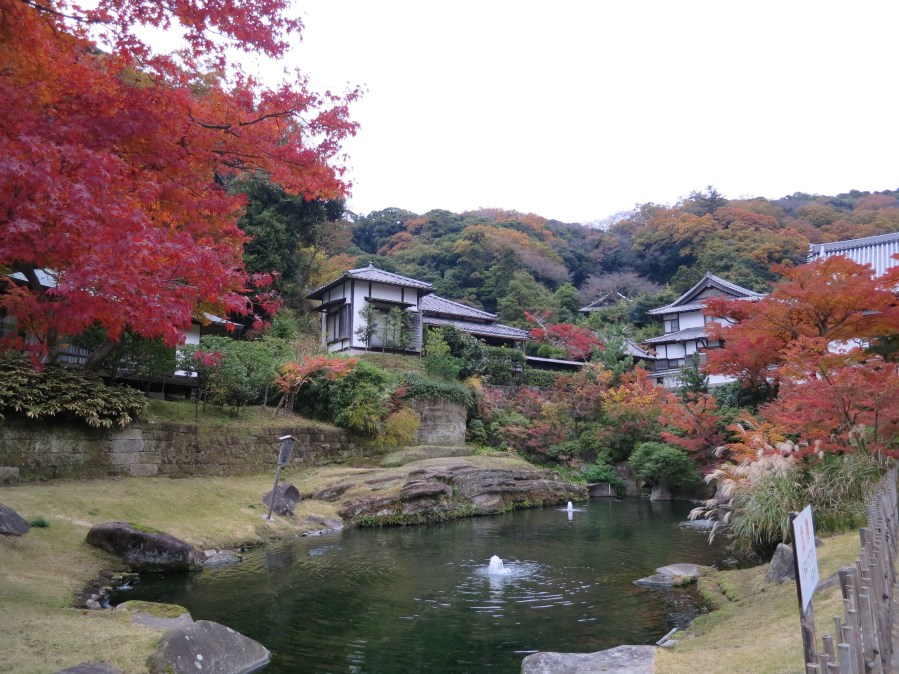
Autumn foliage at Engakuji, a Rinzai sect of Zen Buddhism temple, built as a memorial to soldiers lost during the battles against the Mongolian invasion in Japan.

A chance for a quiet prayer at Shōrin-in, an often overlooked Tendai sect. of Buddhism temple in Ohara, Kyoto.
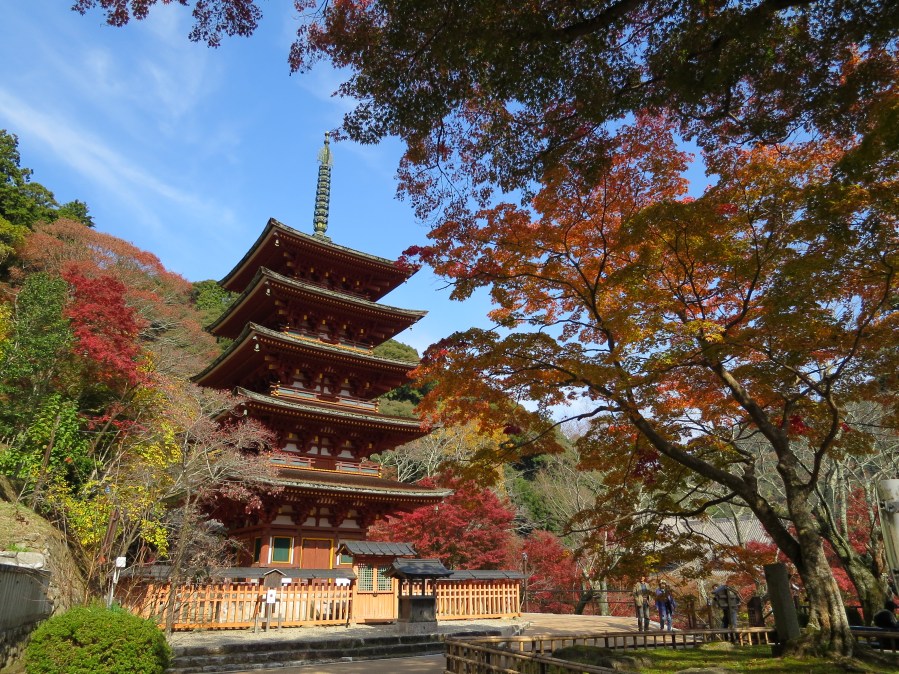
Catching autumn colors at Hasedera, also known as Flower Temple and famous for its 7000 peonies which blooms from mid April to early May.
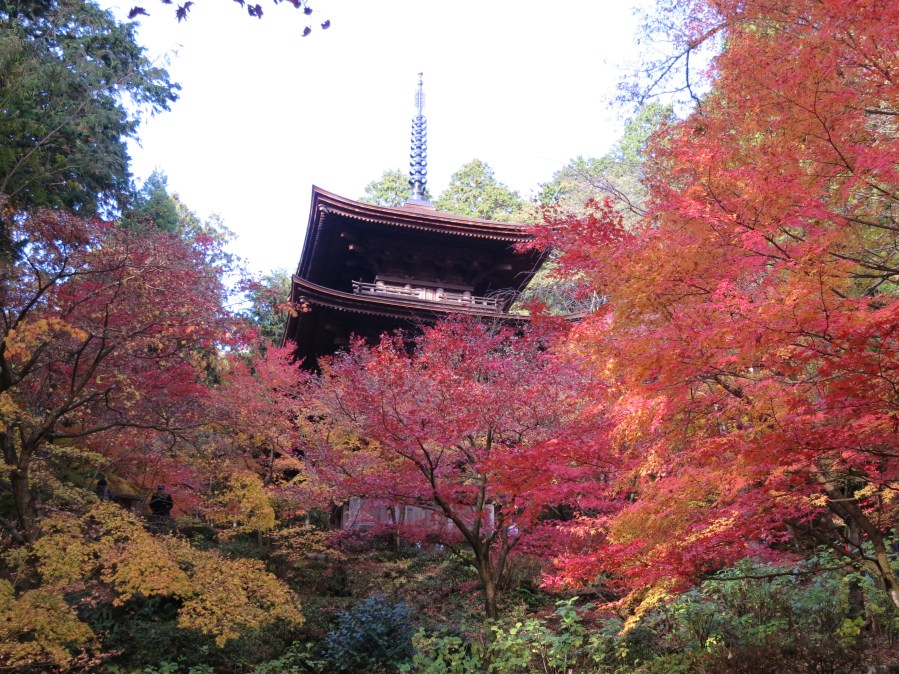
Looking for blood-red maples leaves at Kongourinji, one of the three Kotosanzan temples of Tendai Sect Buddhism in Japan.
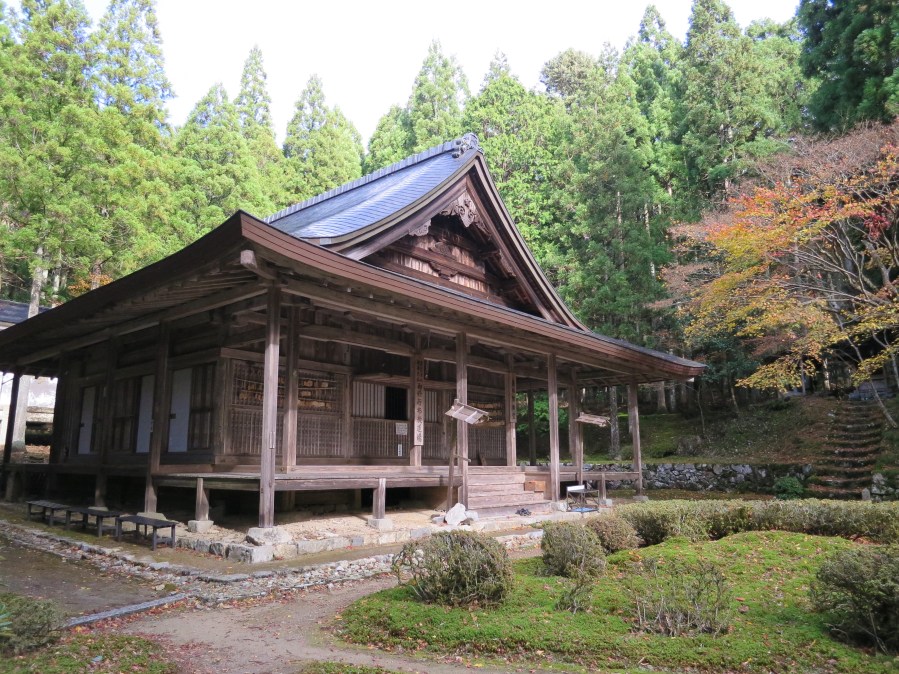
Experience tranquility at the less-visited Raigō-in in Ohara, Kyoto, and a short walk behind the temple to the Soundless Waterfall, Otonashi-no-taki.
 Japan's Wonders