Enjoying autumn in Rikugien, one of Tokyo's most adored landscape gardens. Named after the six divisions of Waka, a type of Japanese poetry, Rikugien offers a massive strolling garden around ponds and hills.
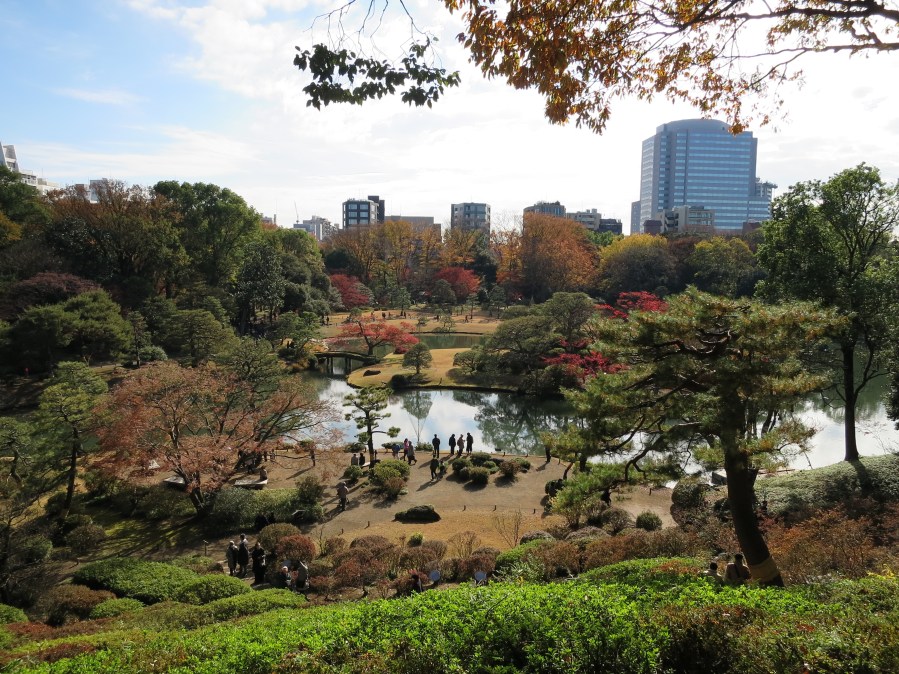
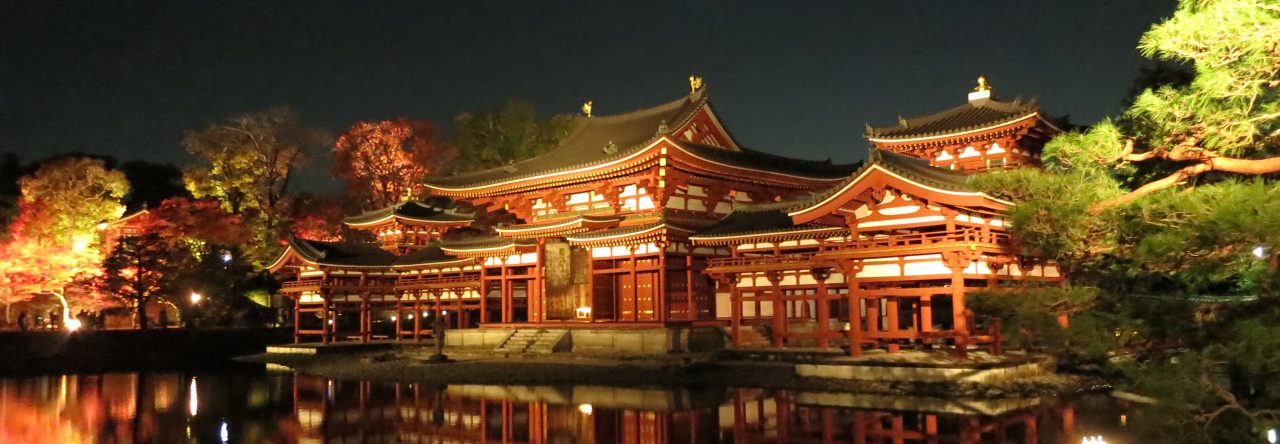
Enjoying autumn in Rikugien, one of Tokyo's most adored landscape gardens. Named after the six divisions of Waka, a type of Japanese poetry, Rikugien offers a massive strolling garden around ponds and hills.
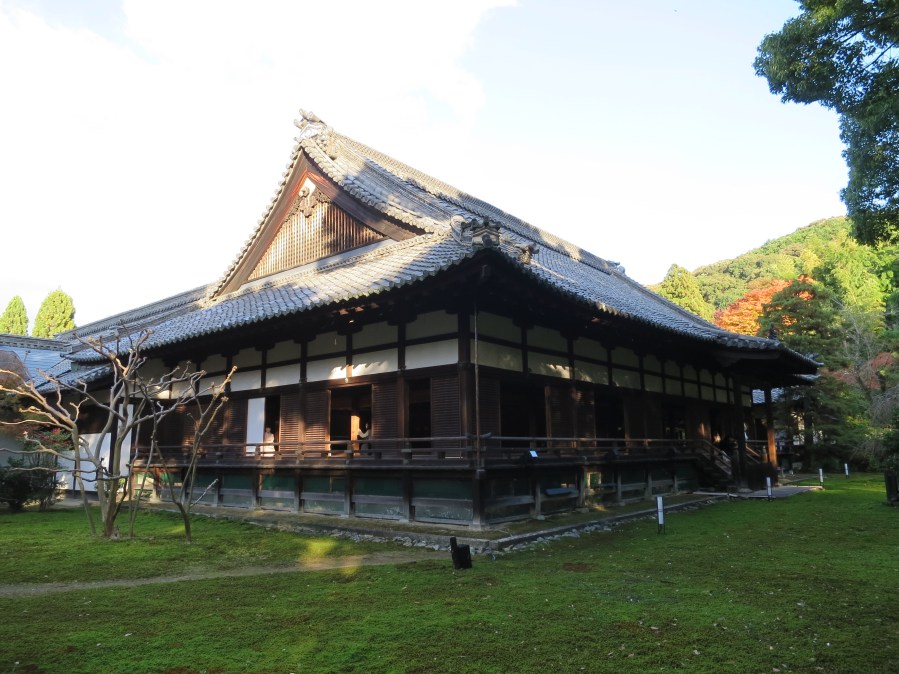
Shoren-in, a Tendai sect. Monzeki temple, offers a range of enjoyable experience, from its fusuma paintings, garden view from tatami room, garden stroll around a pond - Ryujin-no-Ike, and even a view of the temple and garden from above. The main object of worship here is the Shijoko Nyorai Mandala and the temple even has a painting of a blue Fudo Myo-o which is a national treasure.

Walking through countryside Japan to reach Jakko-in, a Tendai sect. Buddhism temple famously known for being the former nunnery of Empress Dowager Kenreimon-in, the surviving imperial Heike from the Dan-no-ura battle between the Taira and Miyamoto clans. Subjected to arson in 2000, the main hall was newly rebuilt in 2005, and houses the Rokumantai Jizo (60,000 forms Jizo).
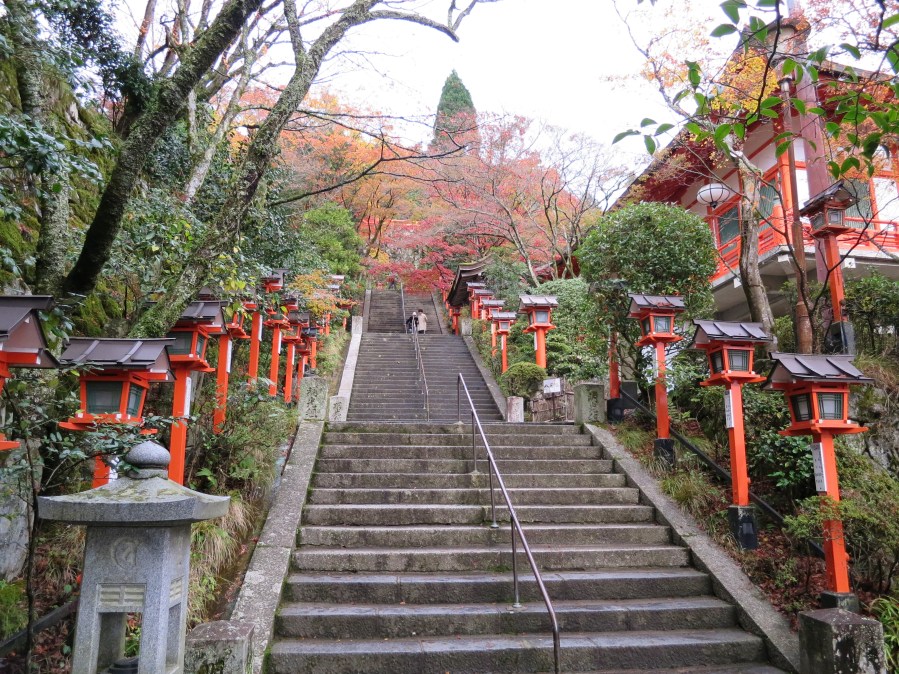
Kurama-dera is rich in history, said to be founded by the disciple of Ganjin (Jiazhen), connected to the Guardian of the North and one of the Four Heavenly Kings, Bishamonten, and was once home to famous samurai Moritomo no Yoshitsune. The temple is unique, having established its own Kurama-kokyo sect of Buddhism, worshiping the trinity Sonten which comprises of Bishamonten, the Thousand-Armed Kannon, and Mao-son, a god unique to this temple.
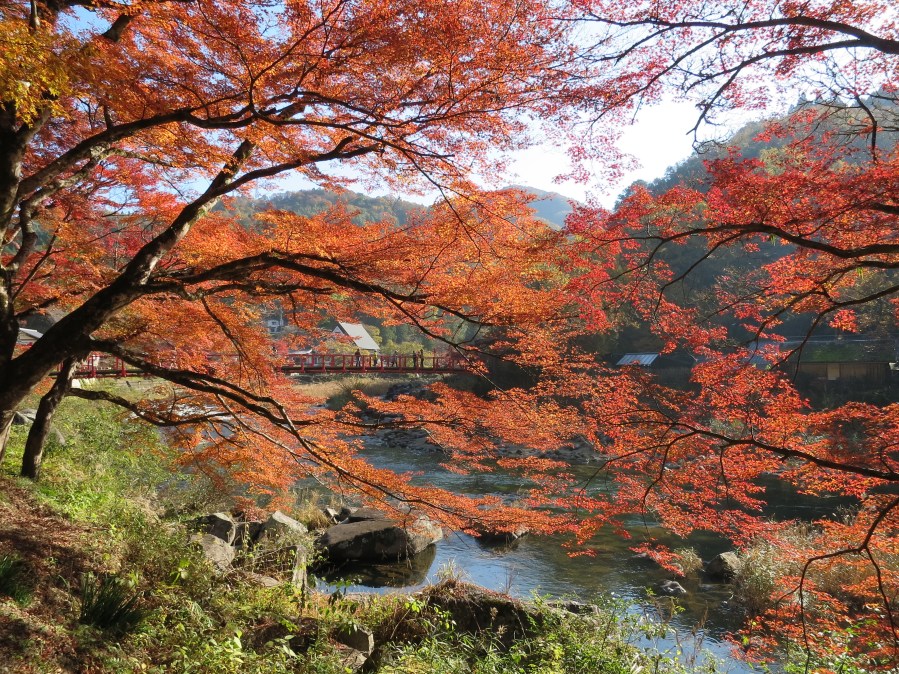
Just an hour away from Nagoya, Korankei Valley in Toyota is famous for its autumn colors in November, regarded as one of the best spots in the Chubu Region. Over 4,000 maple trees are planted along the valley, creating a wonderful sight during the height of autumn season.

Rewarding trip to Bishamondo, famous for its red autumn leaves and weeping sakura in spring. One of the five Tendai sect. Monzeki temples in Kyoto, Bishamondo offers a different experience through imperial presence in the structure of the buildings.
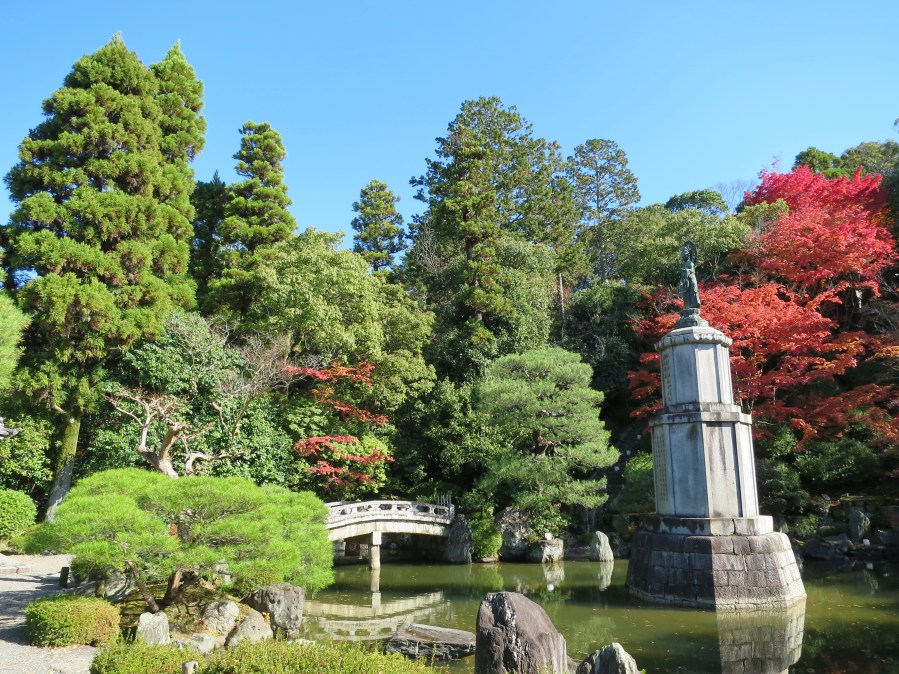
Catching autumn in bright weather at Yuzen Garden in Chion-in, a famous garden designed in the Showa Era in commemoration of Miyazaki Yuzen, famous for founding the Yuzen dyeing style. Yuzen Garden features two separate gardens, a hill and pond garden with a bronze Kannon statue, and a vast rock garden, Rokuya-on.
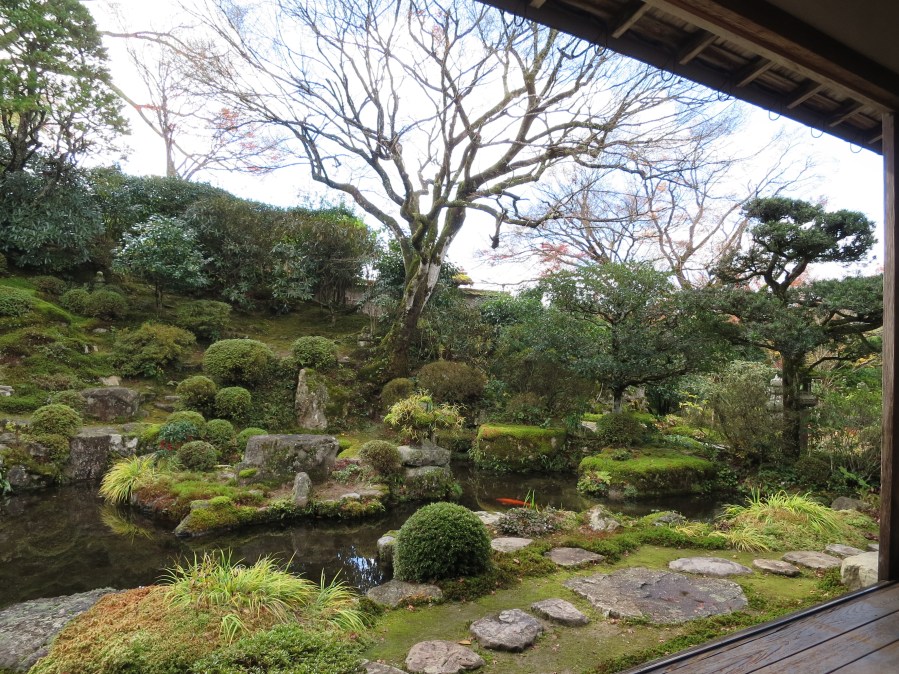
A relaxing time at Jikko-in having green tea and Japanese sweets while admiring beautiful garden scenery.
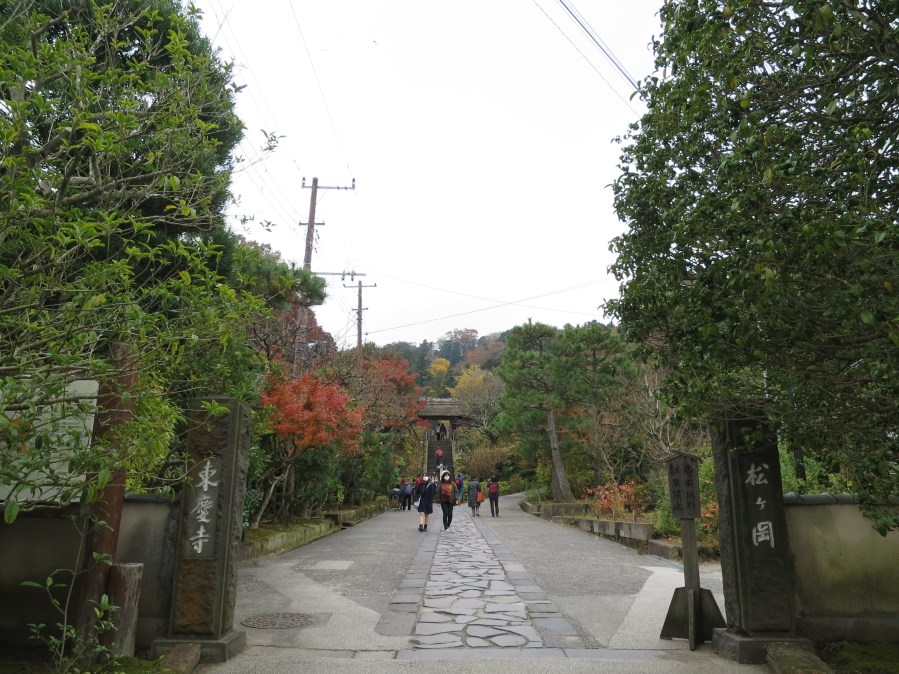
The only surviving Amagozan, five nunneries in Kamakura, Tokeiji is famously known as Kakekomi-dera, offering refuge for women seeking divorces in the feudal age where this was uncommon.
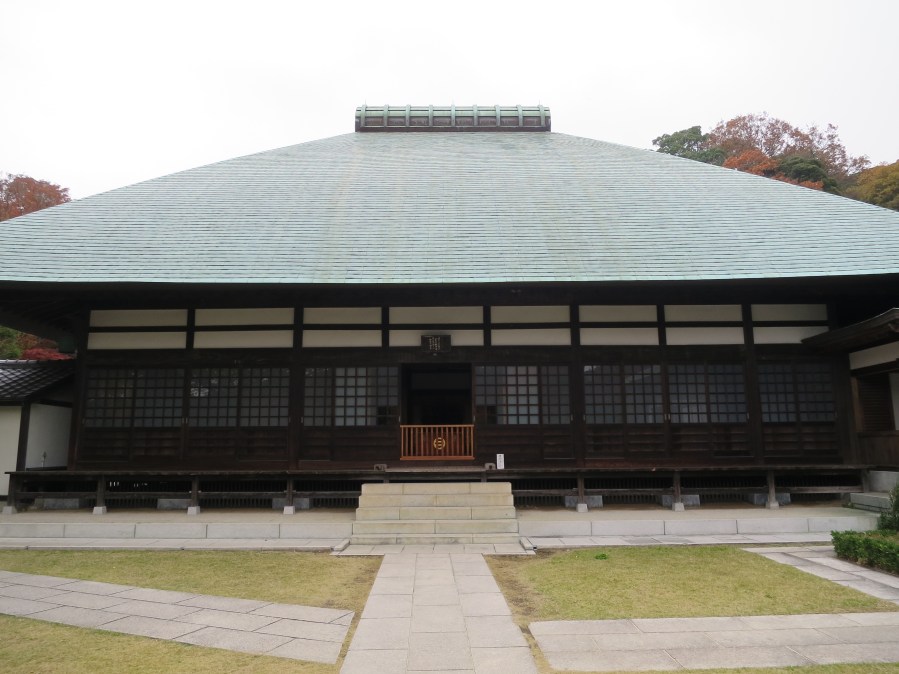
Despite being number five of the Kamakura Gozan, Jomyoji is a perfect quiet retreat, hidden away from the bustling Kamakura tourist crowd. Closely associated to the Ashikaga shogunate, the temple is now only survived by the main temple and few other buildings, thus its simplicity.
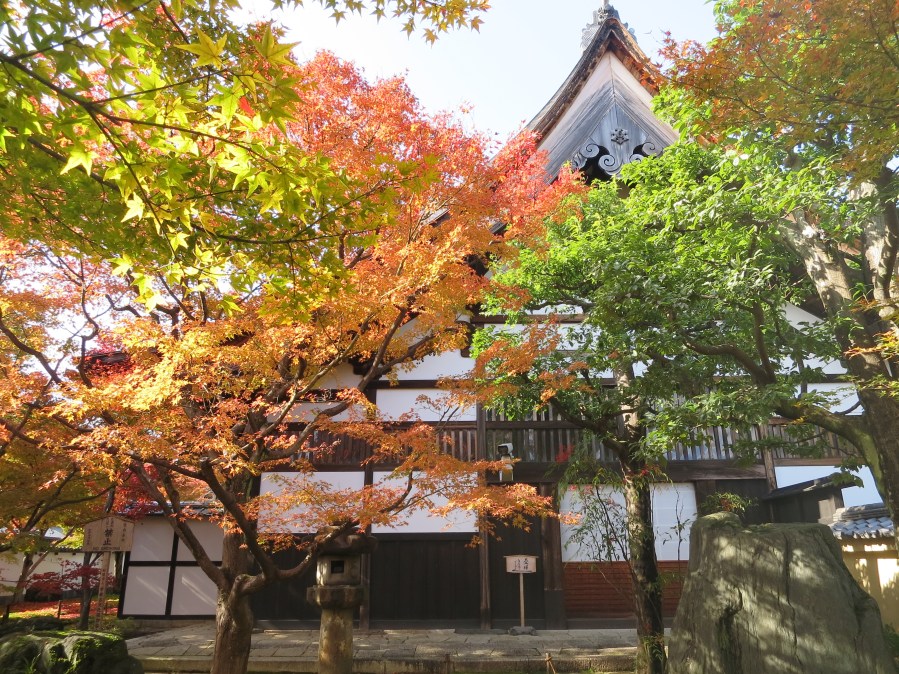
Continuing my exploration at Daitokuji, visiting Souken-in - the mortuary temple of Oda Nobunaga, Ōbai-in - famous for the rare kare-sansui garden Jikuchu-tei which is covered in moss, and Ryogen-in which boosts 5 different dry landscape gardens.
 Japan's Wonders