
Date: 1st July 2018
It was early Sunday morning when I headed off to Takashima Castle in Suwa, Nagano Prefecture. The roads were very quiet, not many cars passed by as I walked from Kami-Suwa station to the castle. I did see quite a number of foreign tourists around the train station though, whose destination was probably Lake Suwa, increasing in popularity thanks to the popular anime film Kimi no Na wa (Your Name), in which the lake in Iitomori was modeled after Lake Suwa. I had other plans lined up for my day in Suwa, but Lake Suwa was not part of it. Well, another time.
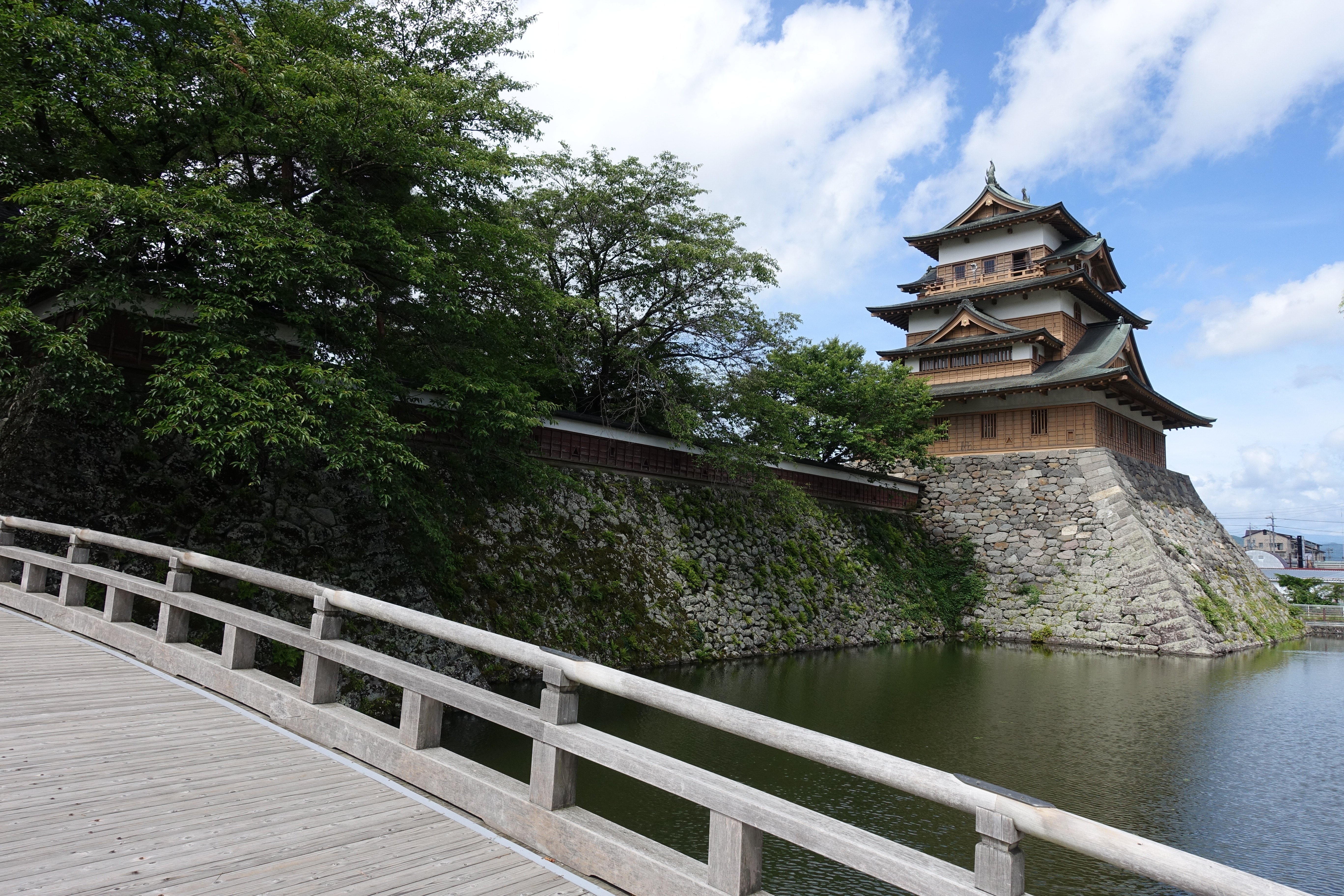
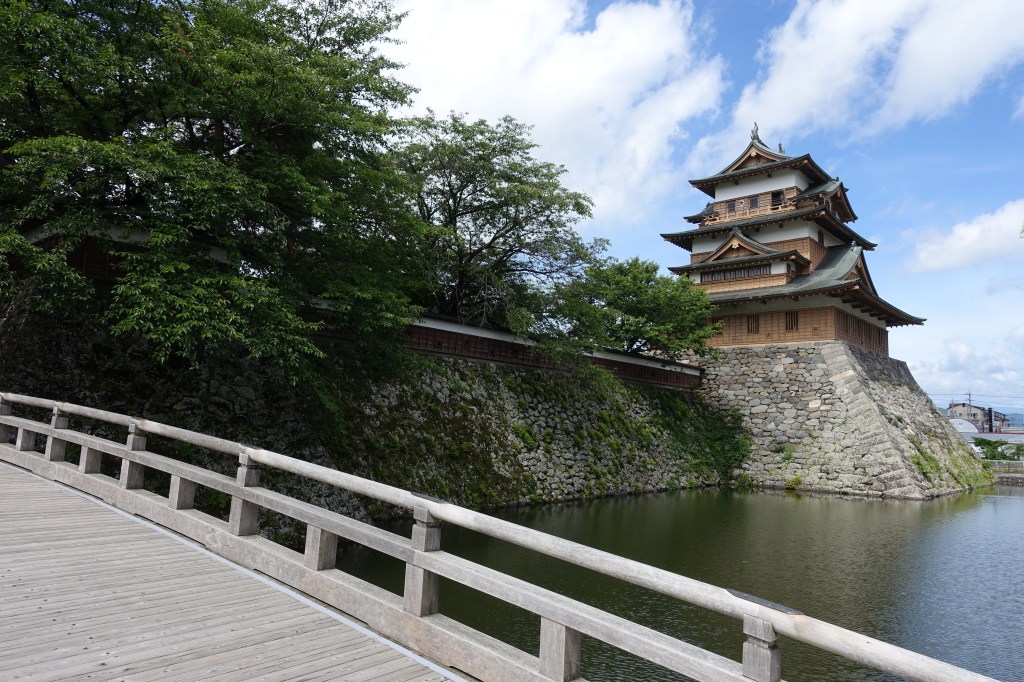
After passing by the somewhat tree-shaded pathway to Takashima Castle, though feeling anxious of the likelihood of falling bird poop (yes, the streets were full of these), I was delighted to see the donjon (main keep) of the castle, which had a brown exterior, something you do not see often in Japanese castles.
Takashima Castle (高島城) was built in 1592 by Hineno Takayoshi, a daimyo of the Suwa Domain who was under Toyotomi Hideyoshi. The Suwa Clan, who was originally the ruler in the area, was defeated by Takeda Shingen of Kai Province and was only able to rise to power following the defeat of the Takeda clan to the Oda Nobunaga and Tokugawa Ieyasu forces. Suwa Yoritada, a successor of the Suwa Clan was a daimyo of the Soja Domain during Toyotomi Hideyoshi’s time. The Suwa Clan was only able to reclaim their ancestral domain in 1601 with Suwa Yorimizu as the daimyo when Hineno Yoshiaki was transferred to the Mibu Domain and as a reward to Yorimizu who was allied to Ieyasu. The Suwa Clan continued to rule the domain until the start of the Meiji era.
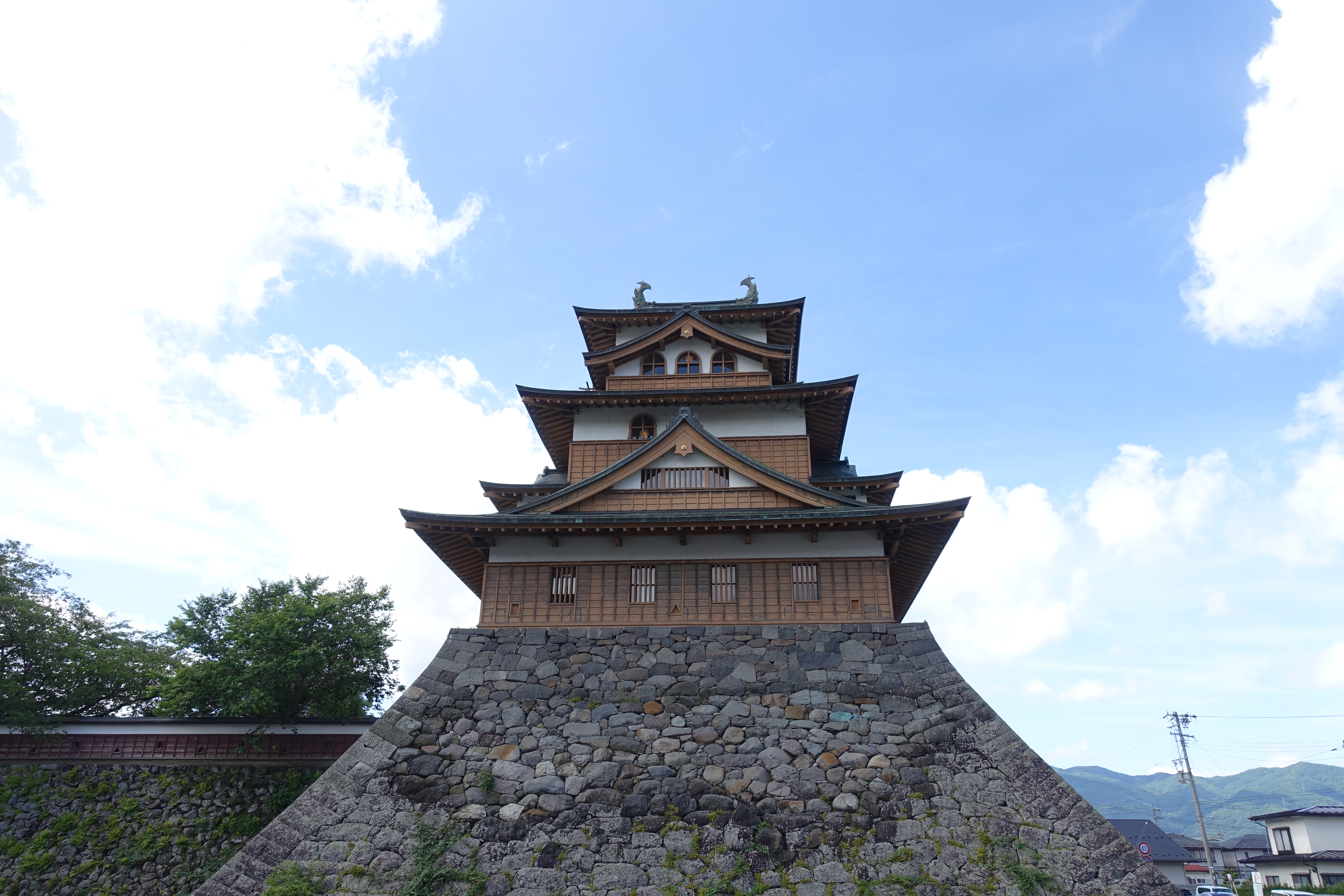
Takashima Castle was dismantled in 1875 following the Meiji Restoration which saw many feudal castles destroyed in order to remove the symbol of the Tokugawa’s powers. Reconstruction of the donjon, yagura and castle gate was completed in 1970.
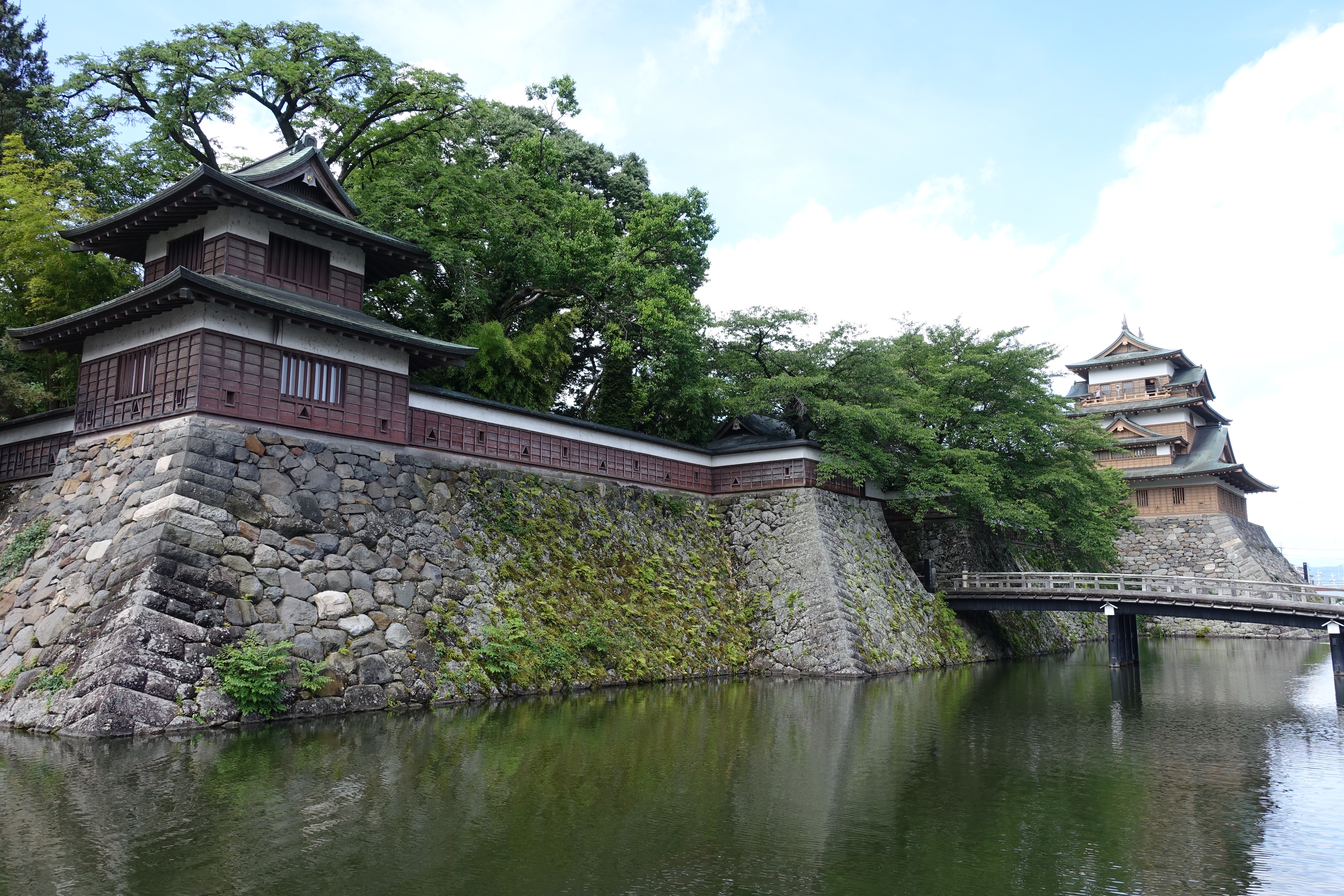
Also known as the Floating Castle of Suwa, Takashima Castle was built on an island in Lake Suwa, connected to the shore by a narrow piece of land. The waters of the lake reaches the edge of the castle thus made the castle to appear as if it was floating on the waters of the lake, and thus the nickname.
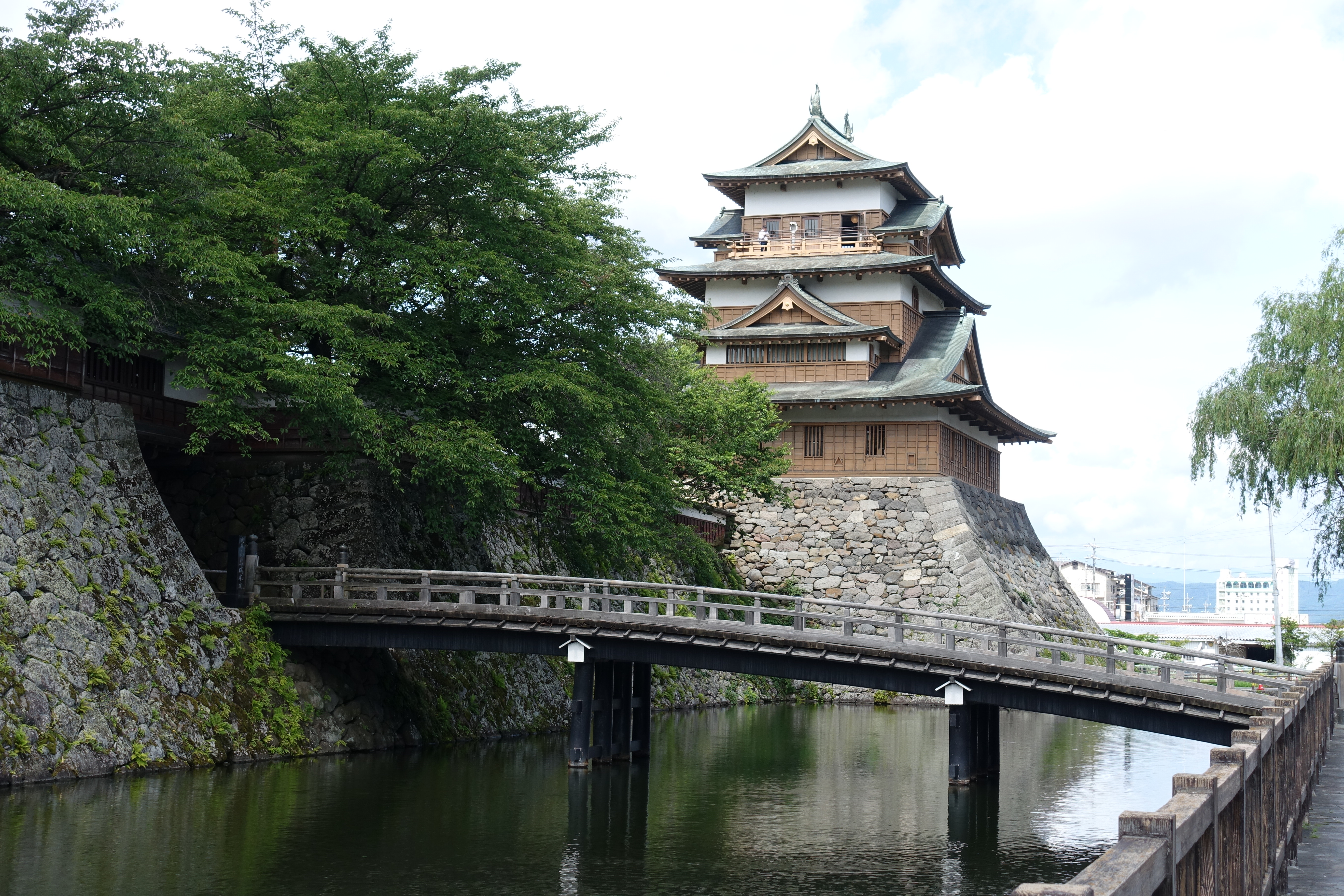
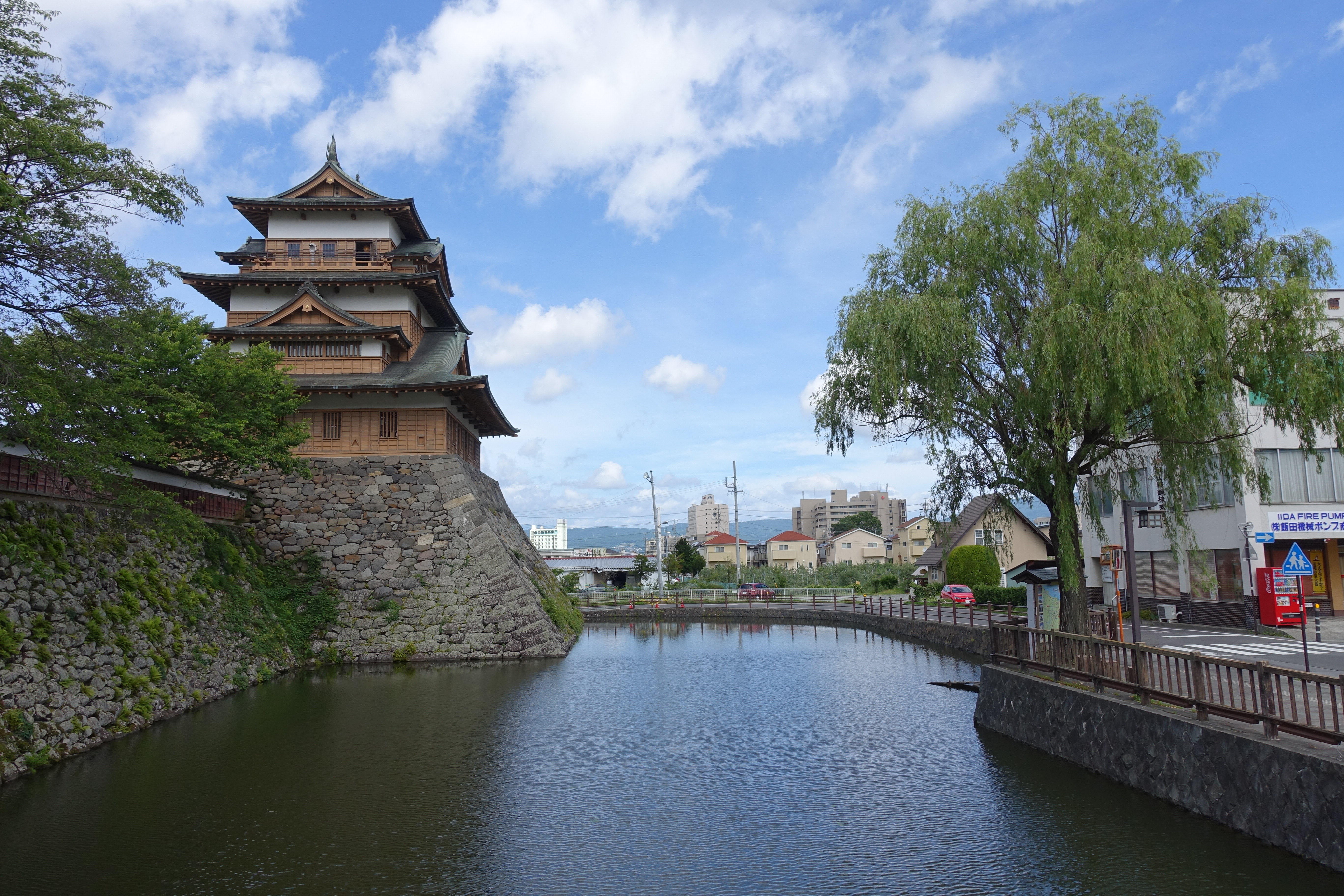
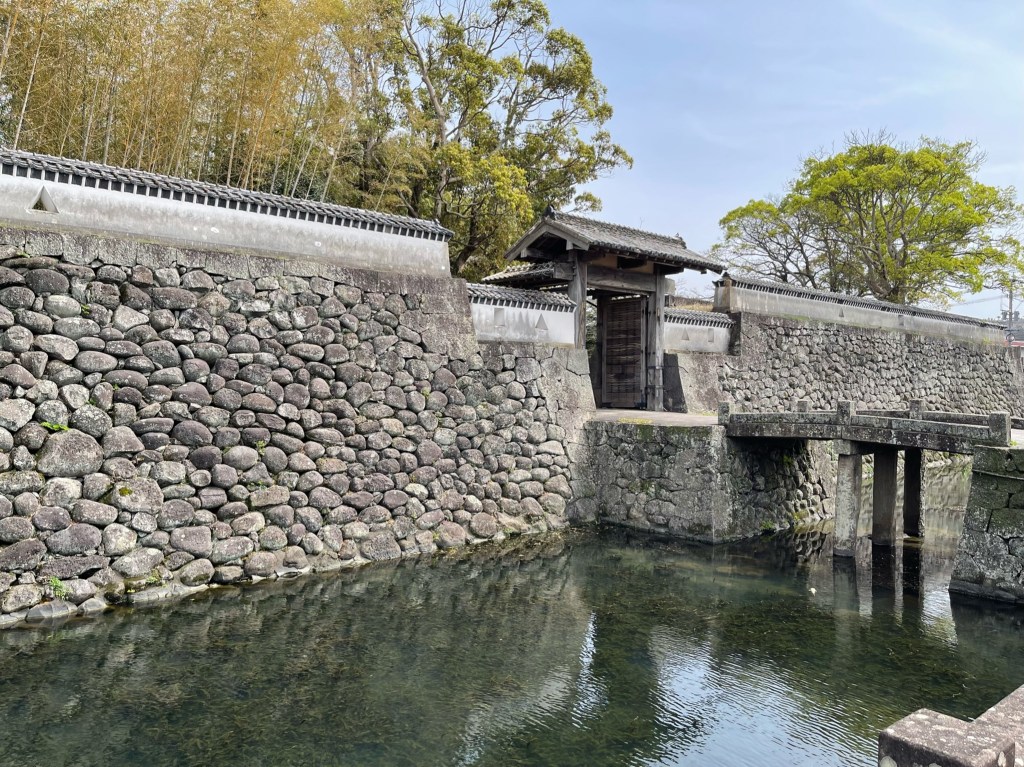
After crossing the bridge, the gate you see is the Kabuki-mon (cross-bar gate), the main entrance to the honmaru.
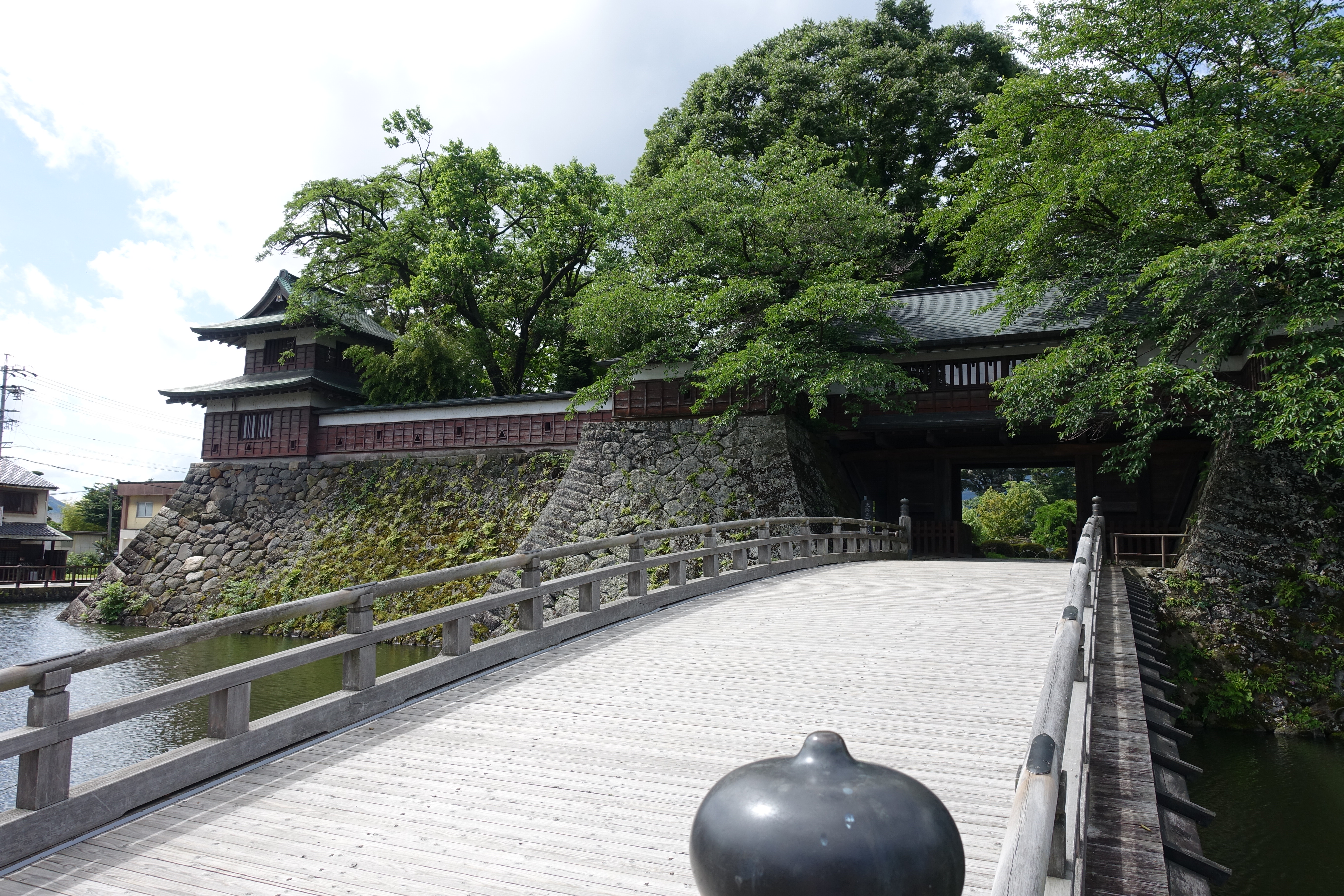
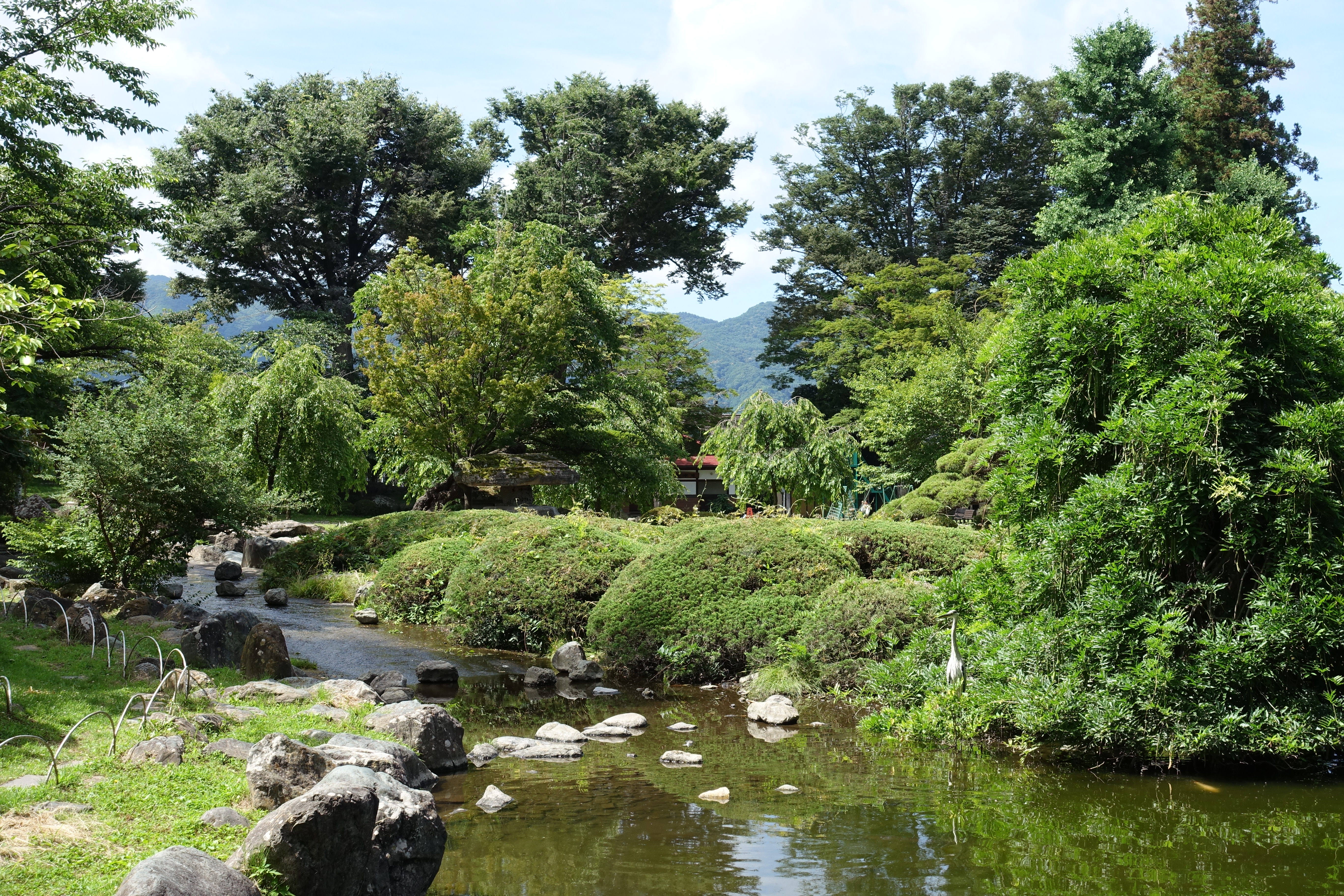
The honmaru area is now a park, perfect for a stroll while admiring the three-storey donjon from afar. The park is a famous spot among locals during the sakura season which usually blooms around mid-April. The wisteria here is also a sight to behold, blooming in the month of May. Here is a post on Tokyo Bling that shows how pretty the castle park is during the sakura season.
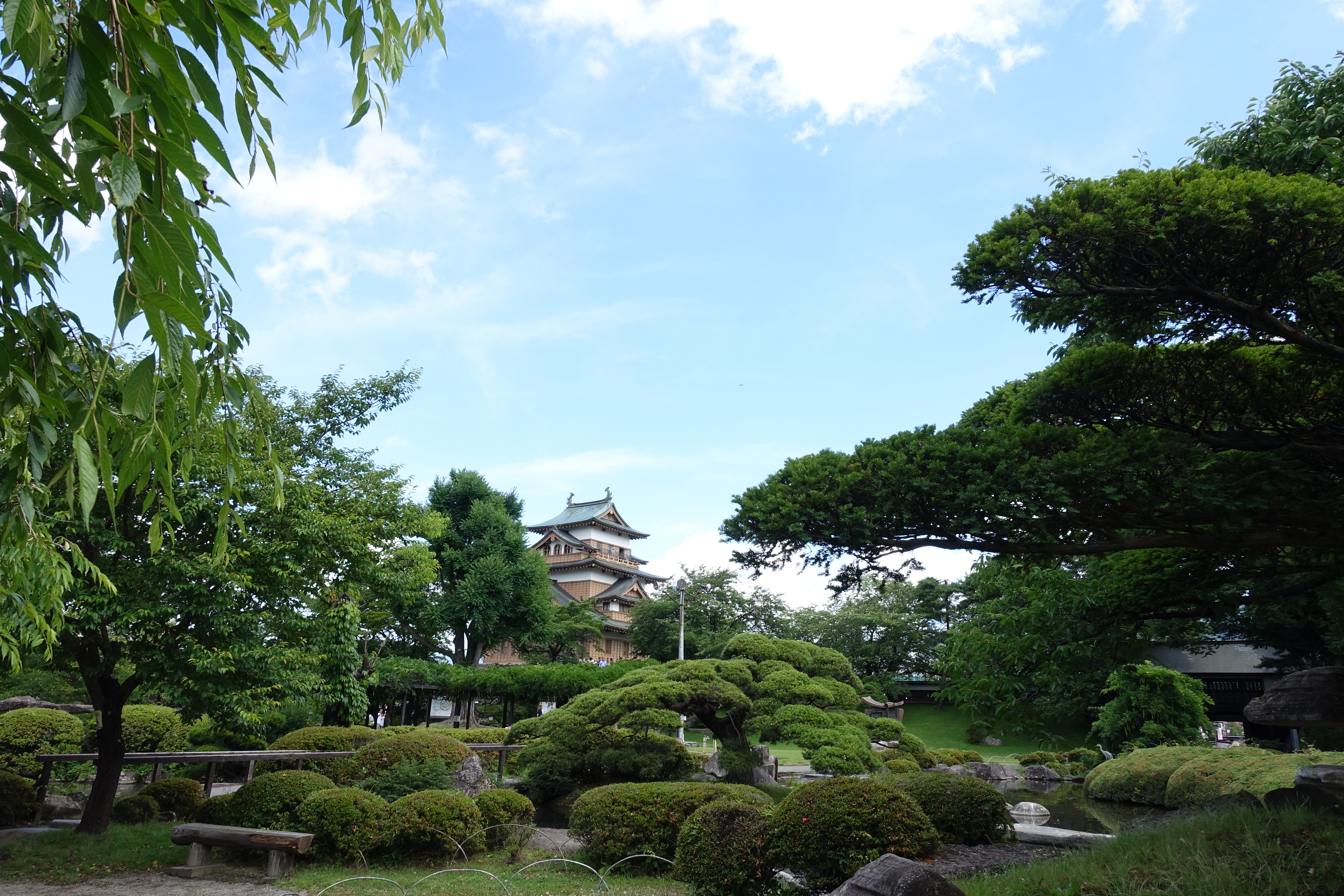
Next to the donjon!
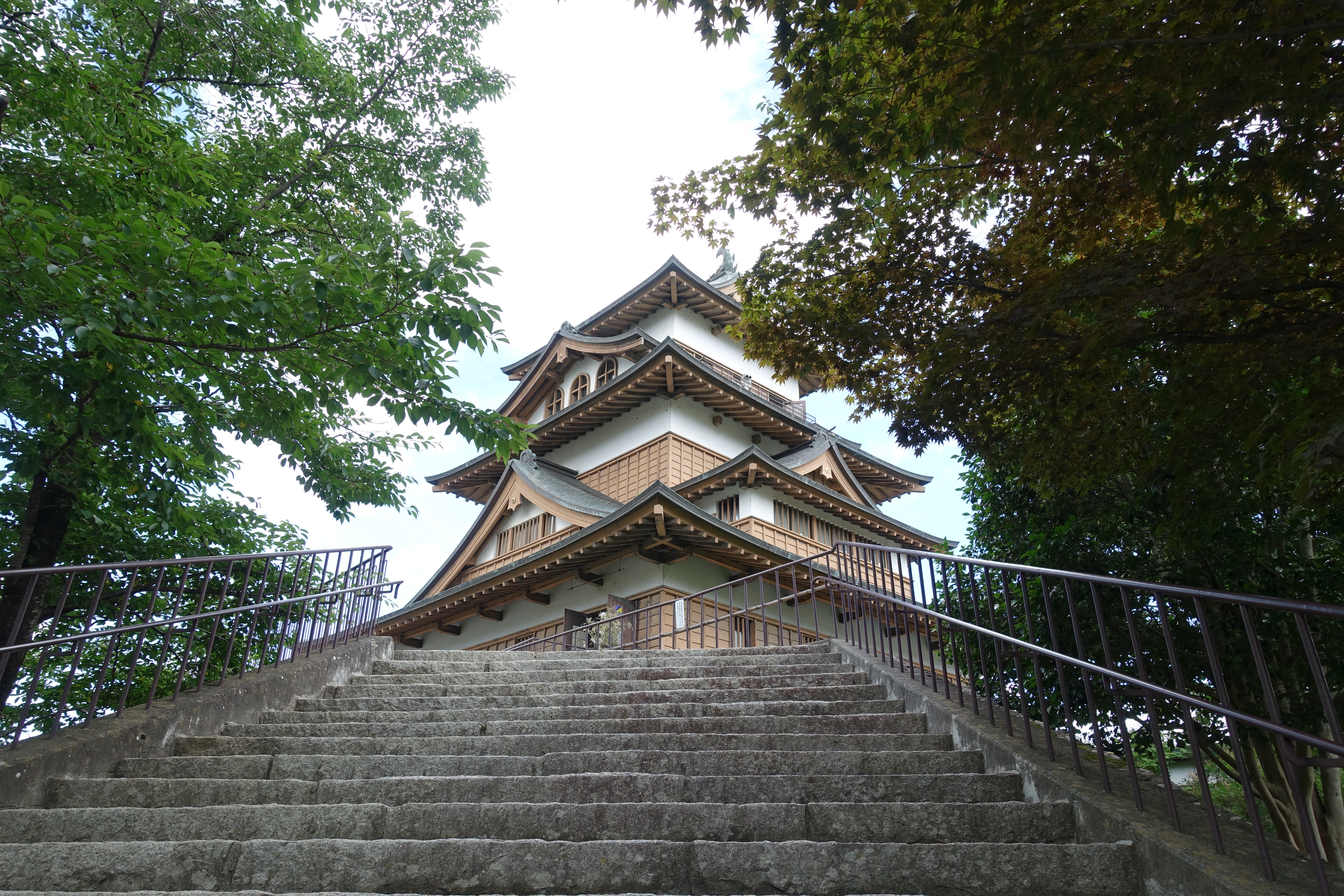
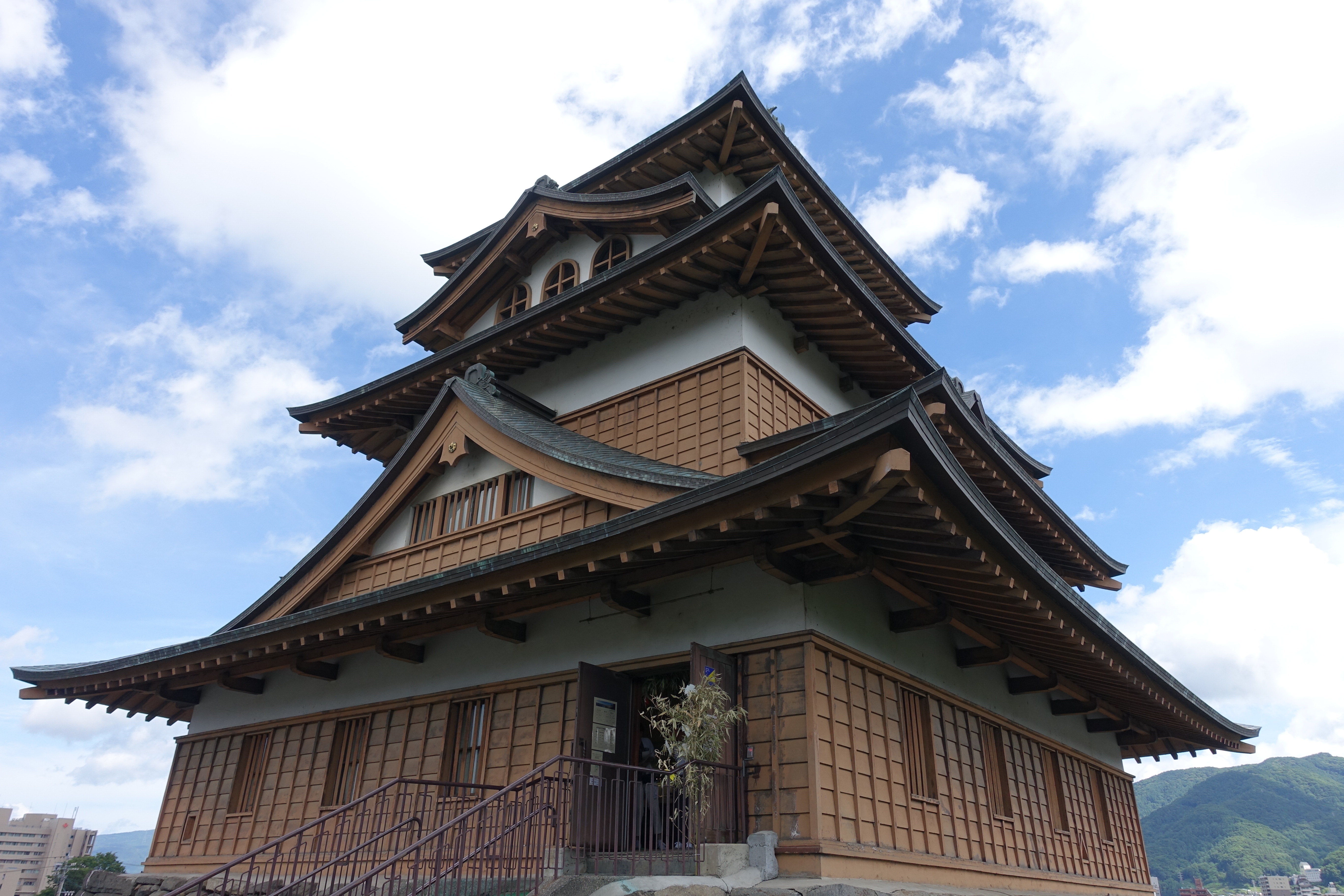
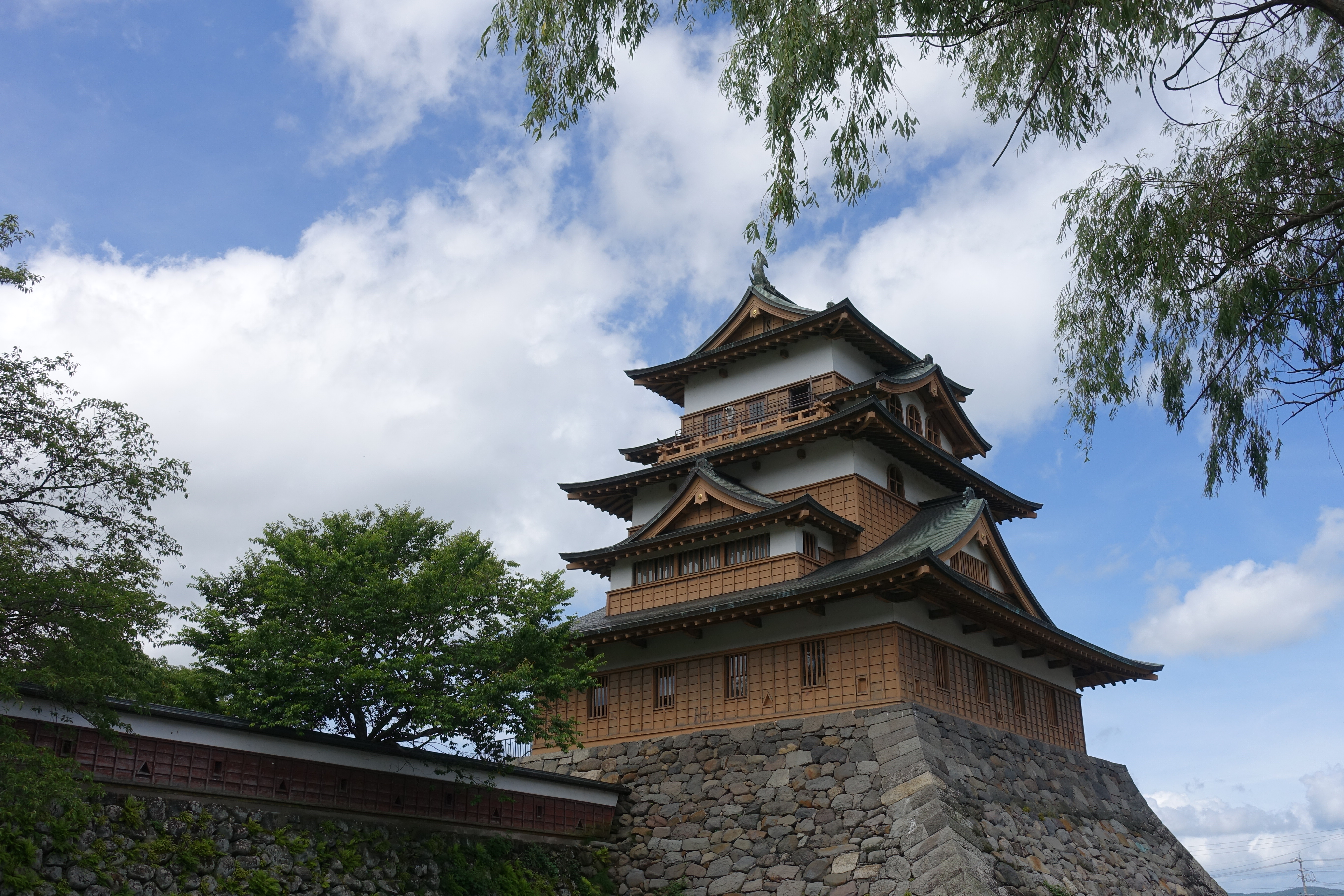
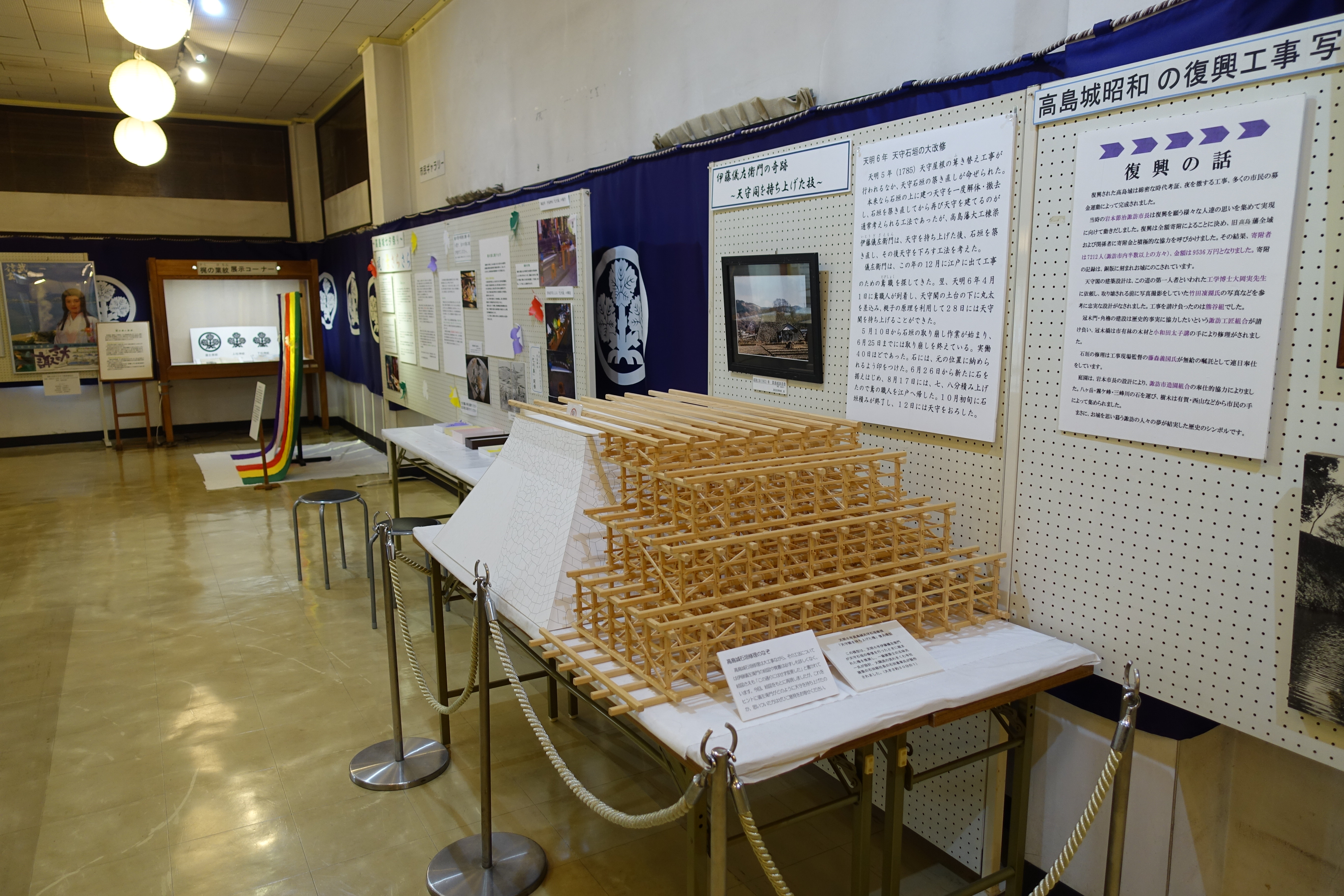
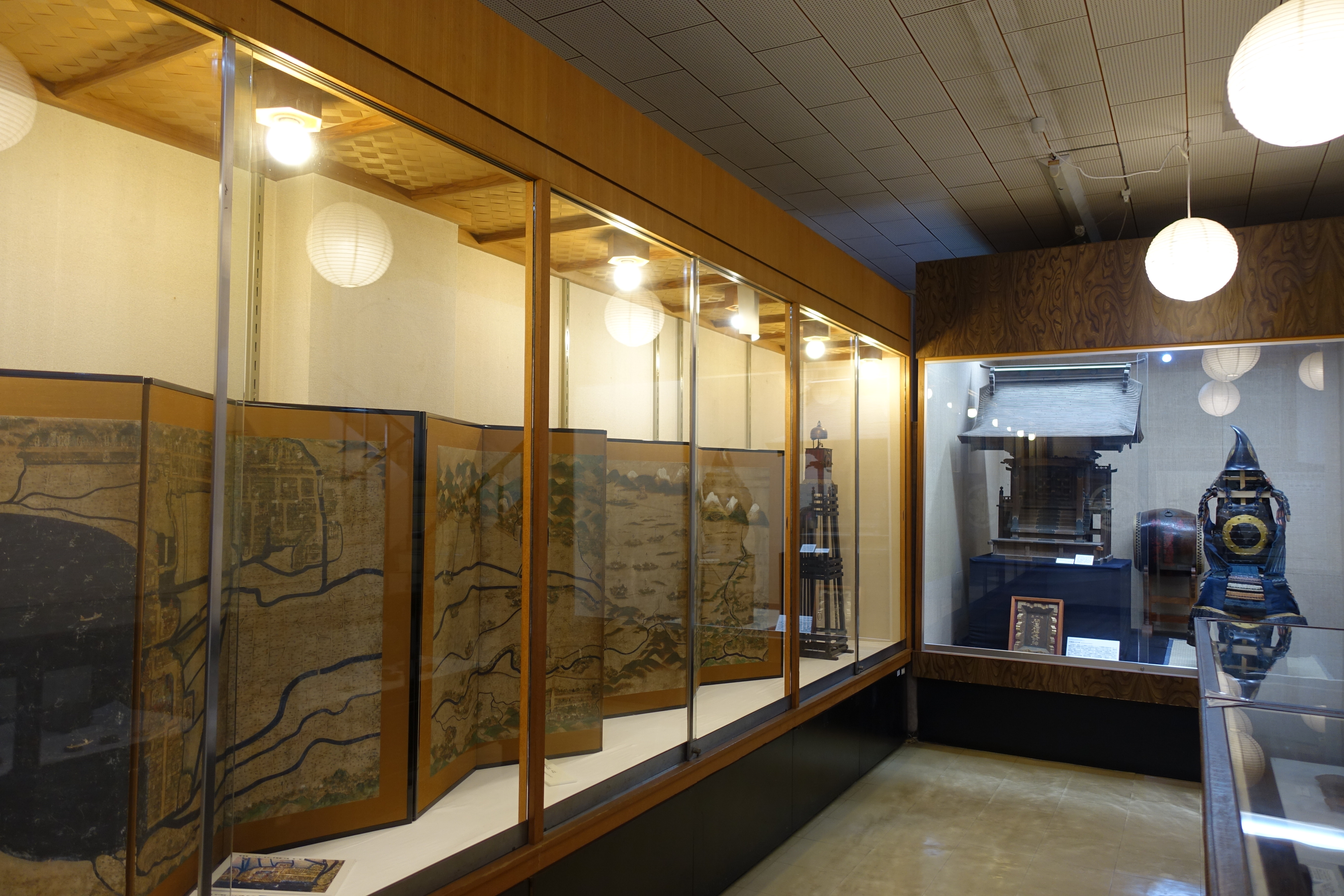
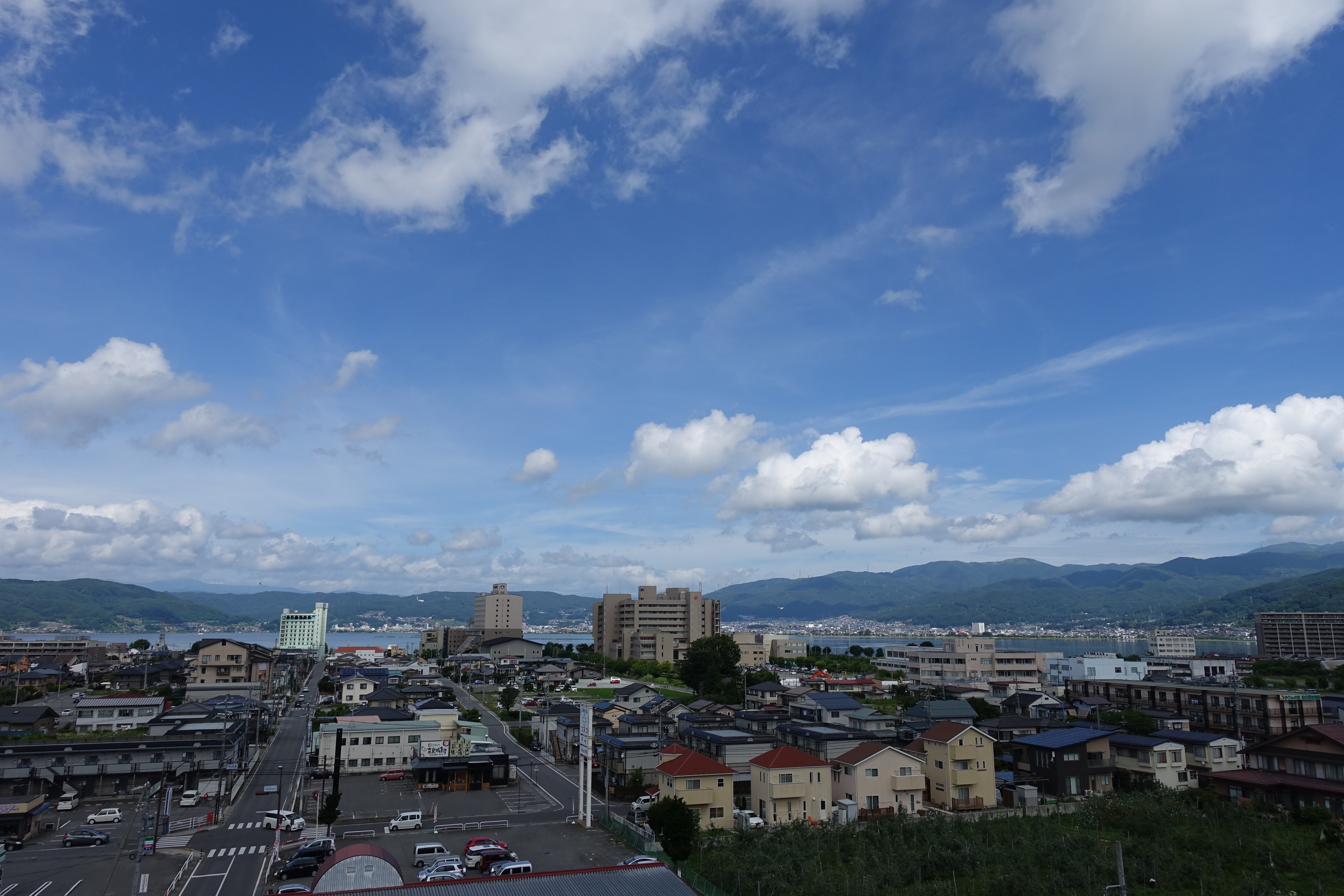
The first and second floor of the donjon exhibits artificats related to Takashima Castle and Suwa Domain, while the third floor features an observation deck to view the surrounding of the castle. It seems you can also see Mt. Fuji on a clear day from here!
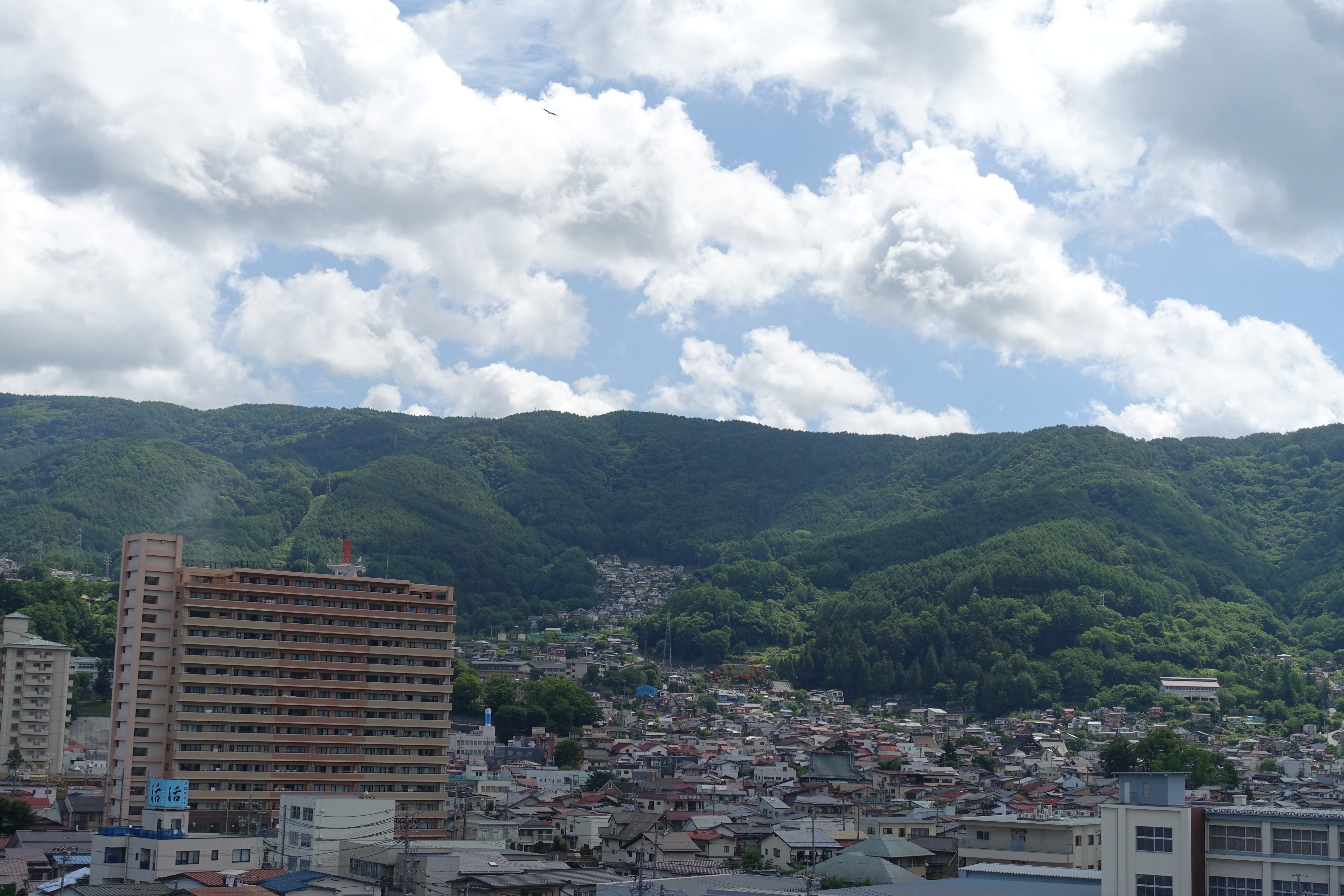
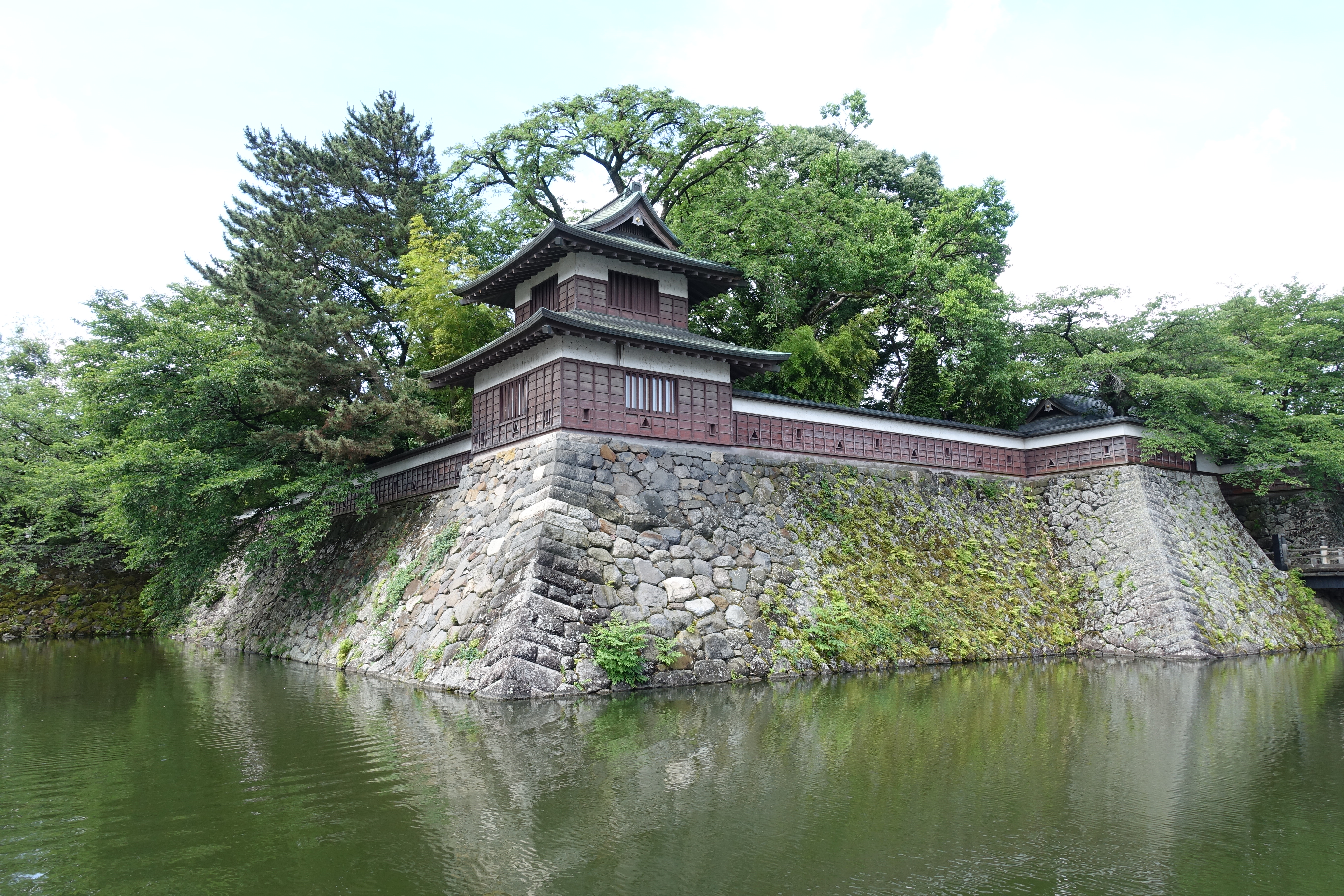
The turret (yagura) you see in the corner is the Sumi Yagura, which is also used as a storehouse.
Info
Admission fee: 300 yen (donjon)
Opening hours: 09:00 – 16:30 (October to March), 09:00 – 17:30 (April to September)
Closing days: 2nd Thursday of November and 26th to 31st December
Access
Takashima Castle is a 10-minutes, 1km walk from Kami-Suwa station. After exiting the station, if you follow the green boxes on the pathway, it will easily lead you to the castle. The Kami-Suwa station is served by the JR East’s Chuo Main Line and even features an ashiyu (footbath).
Getting to Kami-Suwa Station:
- From Shiojiri Station: JR Chuo Line, 20-25 mins, 410 yen
- From Matsumoto Station:
- JR Chuo Limited Express: 25 mins, 2,050 yen
- JR Shinonoi Line continue with JR Chuo Line, 40-45 mins, 580 yen
- From Kobuchizawa Station: JR Chuo Line, 45 mins, 500 yen
- From Kofu Station: JR Chuo Line, 1 hr 10 mins, 1,140 yen
- From Nagano Station:
- JR Shinonoi Line continue with JR Chuo Line, 2 hrs, 1,660 yen
- JR Shinano Line transfer at Shioijiri Station then JR Chuo Line, 1 hr 25 mins, 3,560 yen
- From Shinjuku Station:
- JR Chuo Line, 3 hr 40 mins, 3,670 yen
- JR Chuo Limited Express, 2 hr 20 mins, 6,550 yen
- Alpico Bus, 3 hours, 3,200 yen (Timetable here)




Leave a comment