
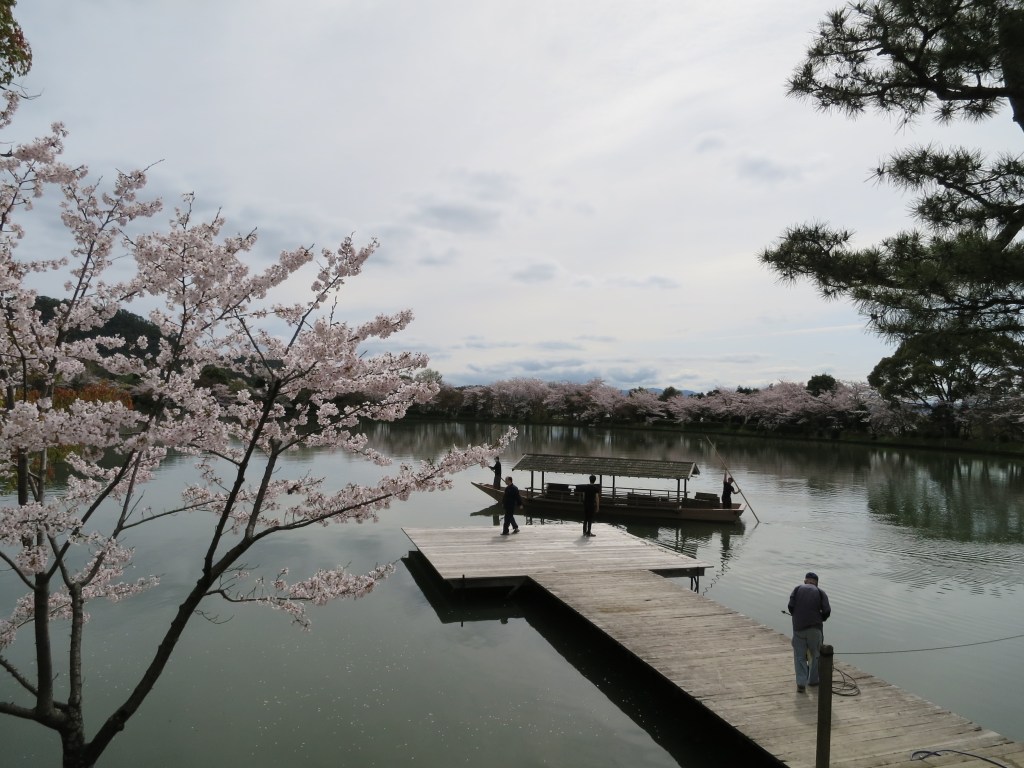
Date: 5 April 2016
I was back in Arashiyama for the second time (my first time here, I was visiting the bamboo groves and Tenryuji). I had planned to go on the Hozugawa Cruise, but changed my mind as it was raining earlier in the morning and the weather was still cloudy.
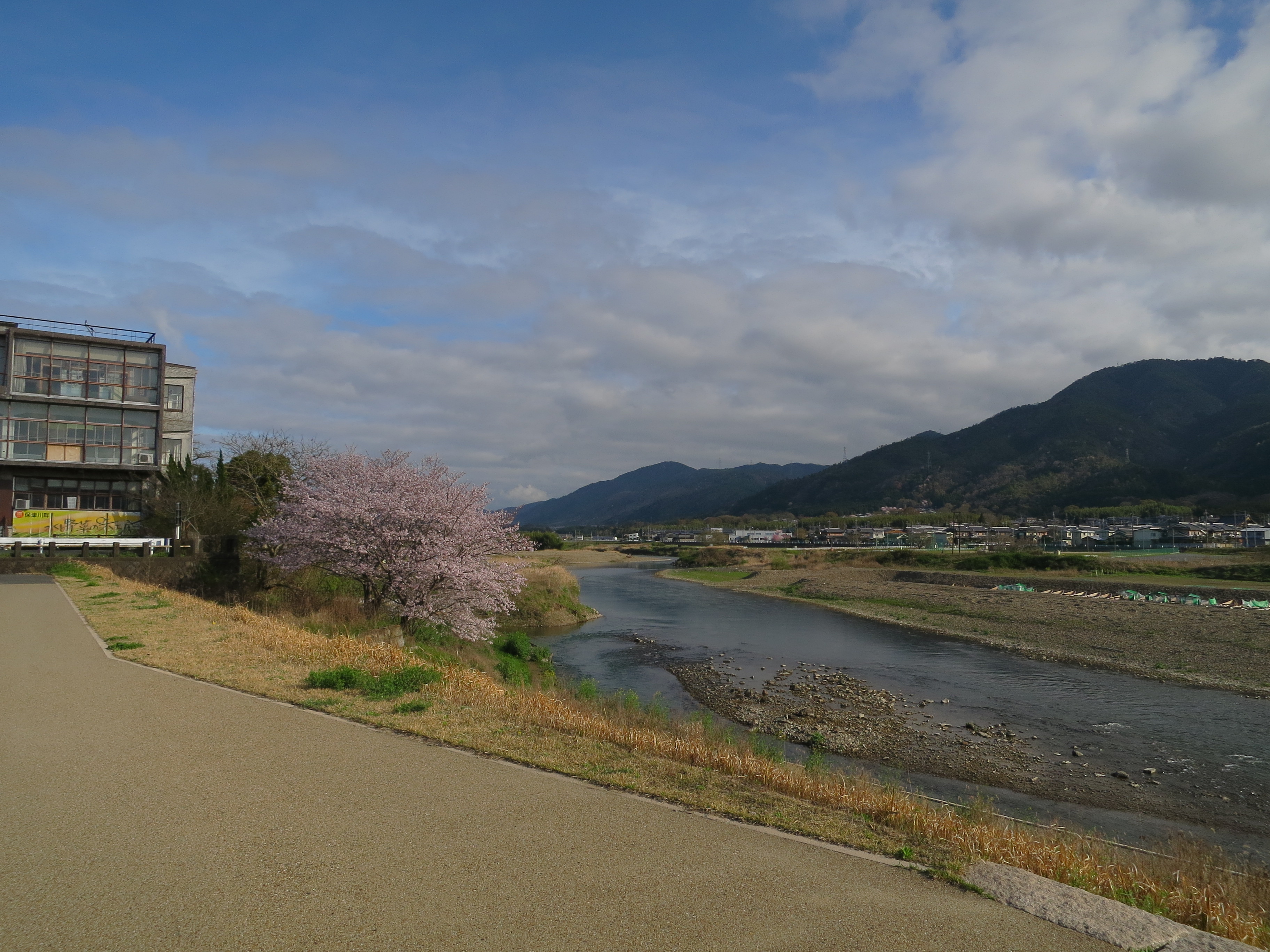
As it was still 8 a.m. – (yes, too early for the boat ride which starts at 9 a.m.!), and despite having arrived in Kameoka where the boat departs, I had the luxury to change my itinerary and headed to Daikaku-ji which I had planned on going in the afternoon. The temple was less than 30 minutes from Kameoka – I took the JR San-in line from Kameoka Station to Saga-Arashiyama station, in which the temple was a 1.3km walk away.
Arriving 10 minutes earlier than the opening time of 9 a.m., I took my time strolling the nearby streets which was lined with blooming sakura, much to my delight.
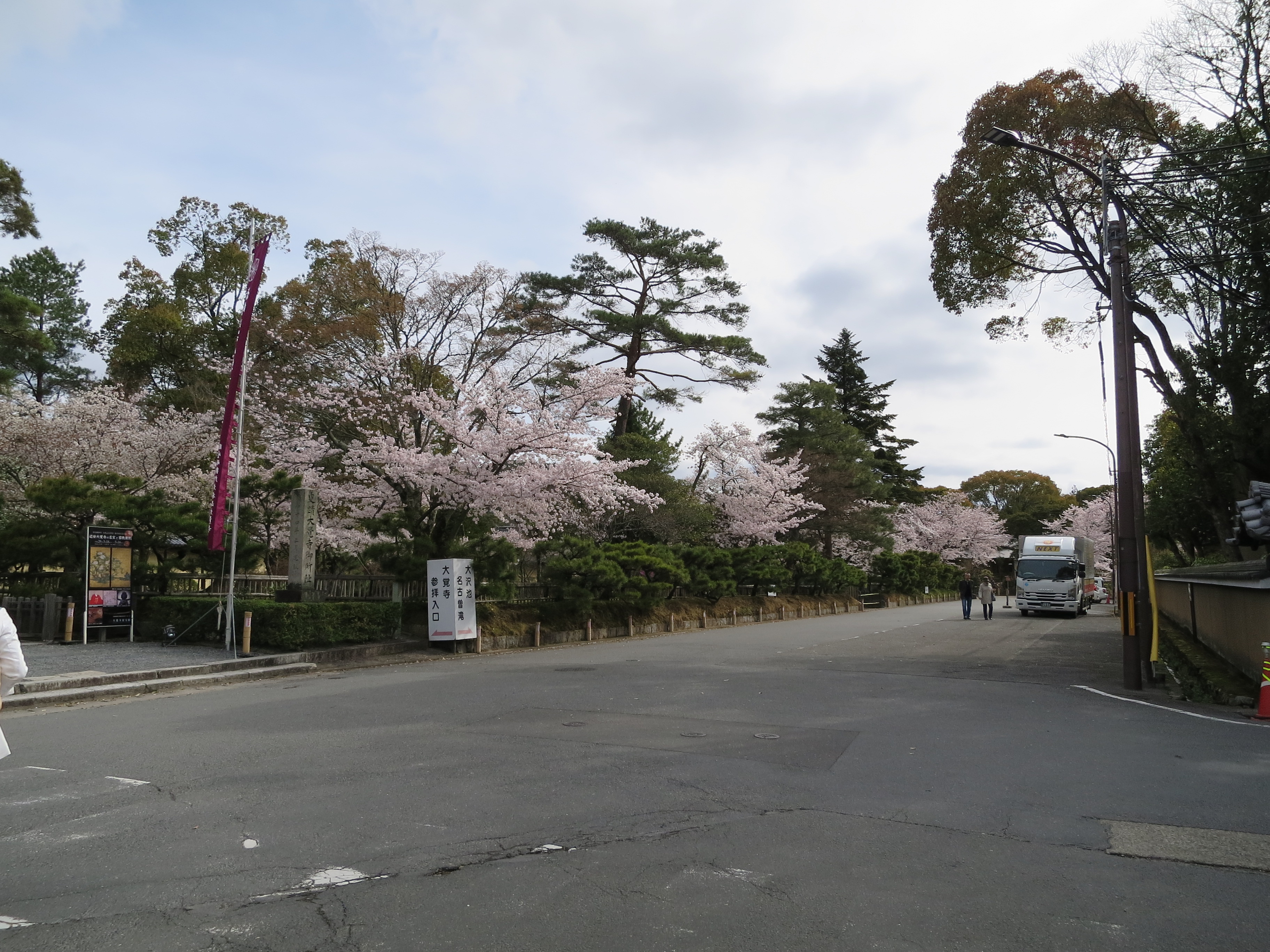
The temple entrance fee is 500 yen, added with another 200 yen if you want to visit the garden around Osawa-ike. If you plan to visit Gioji, which is of walking distance from Daikaku-ji, you can get a combined ticket for only 600 yen (rather than an extra 300 yen @ Gioji later).
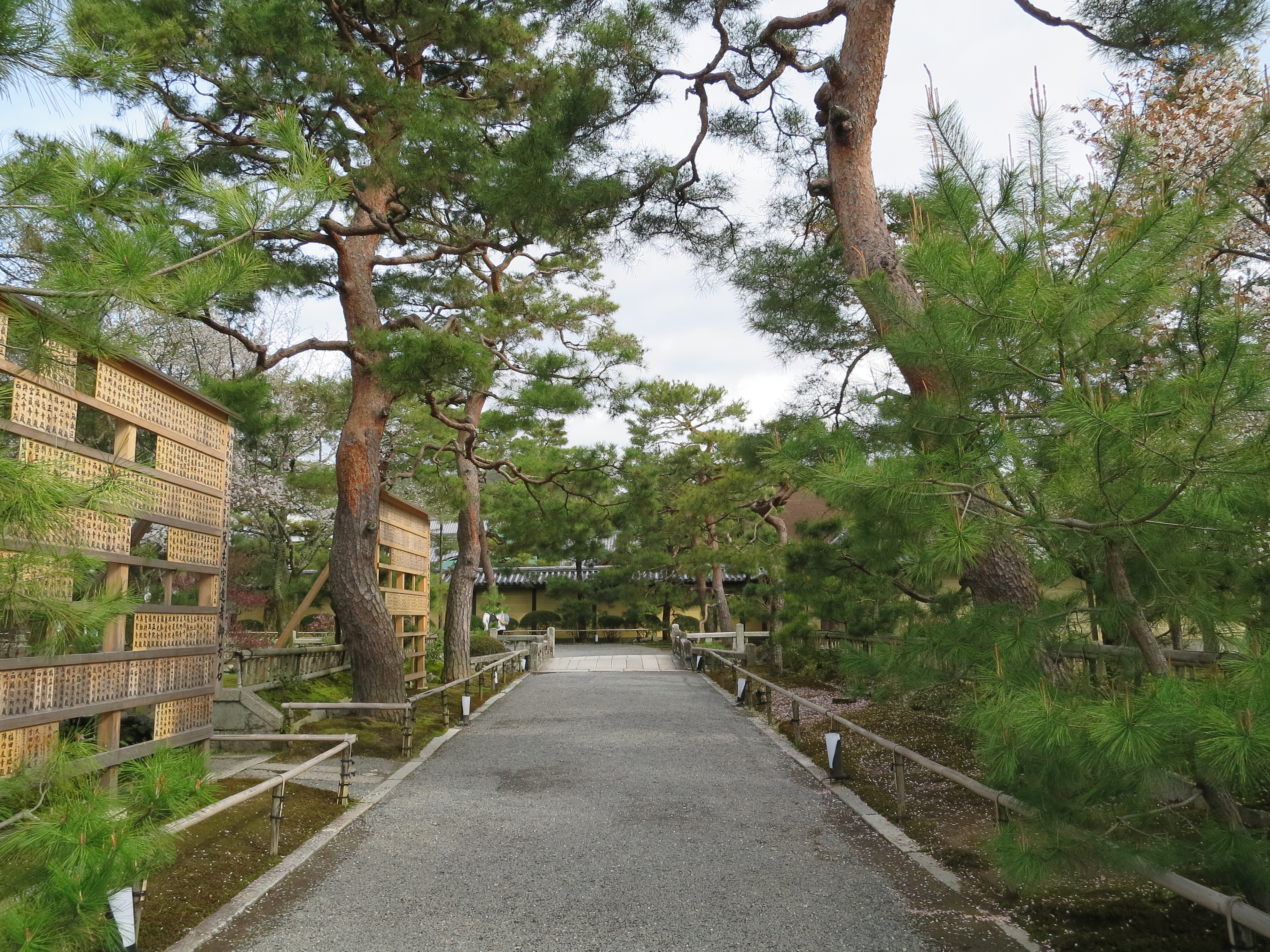
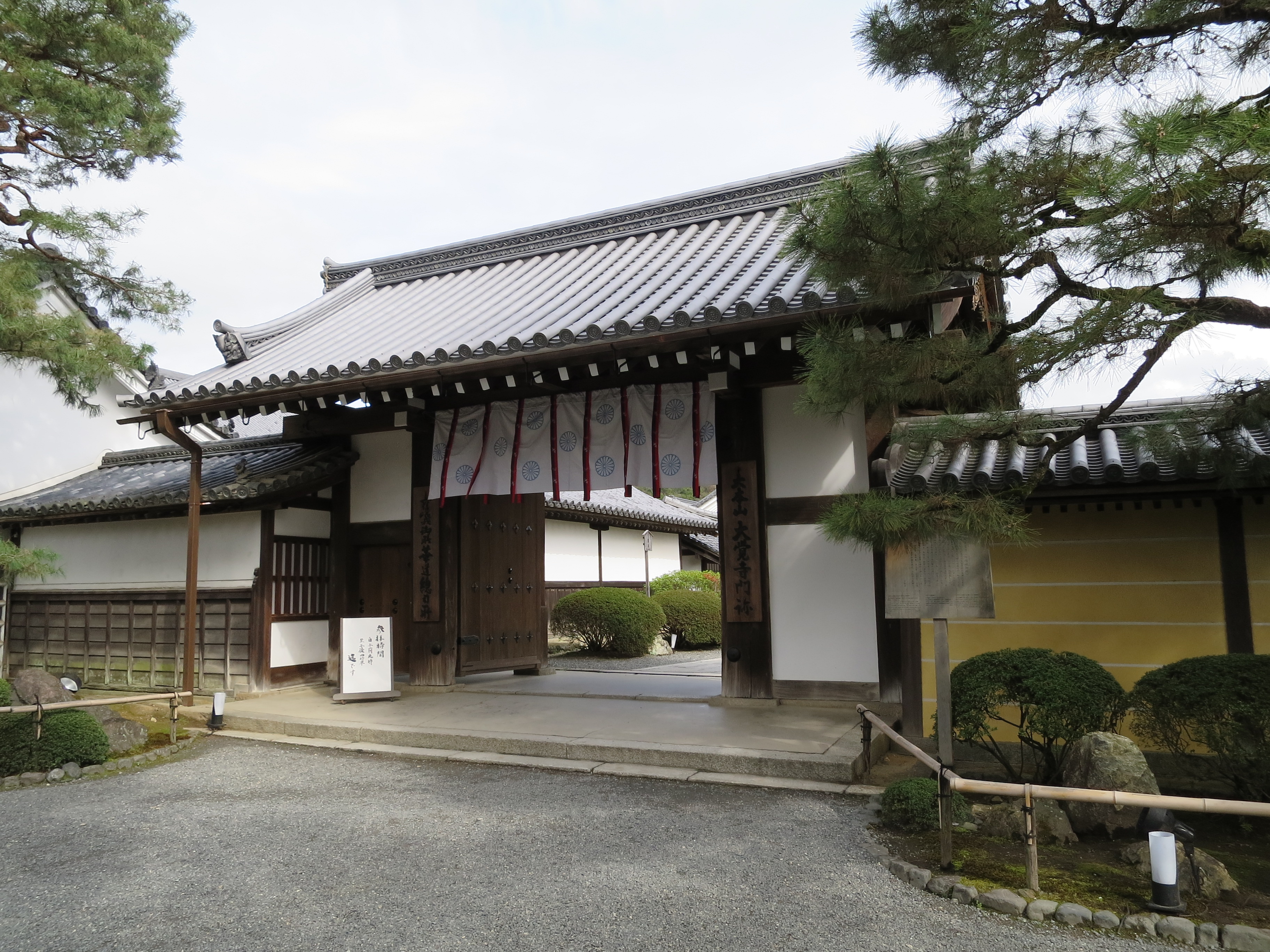
I was obviously one of the first visitors, a pleasure I started to appreciate during this trip after seeing how tourist-crowded certain places in Kyoto could be.
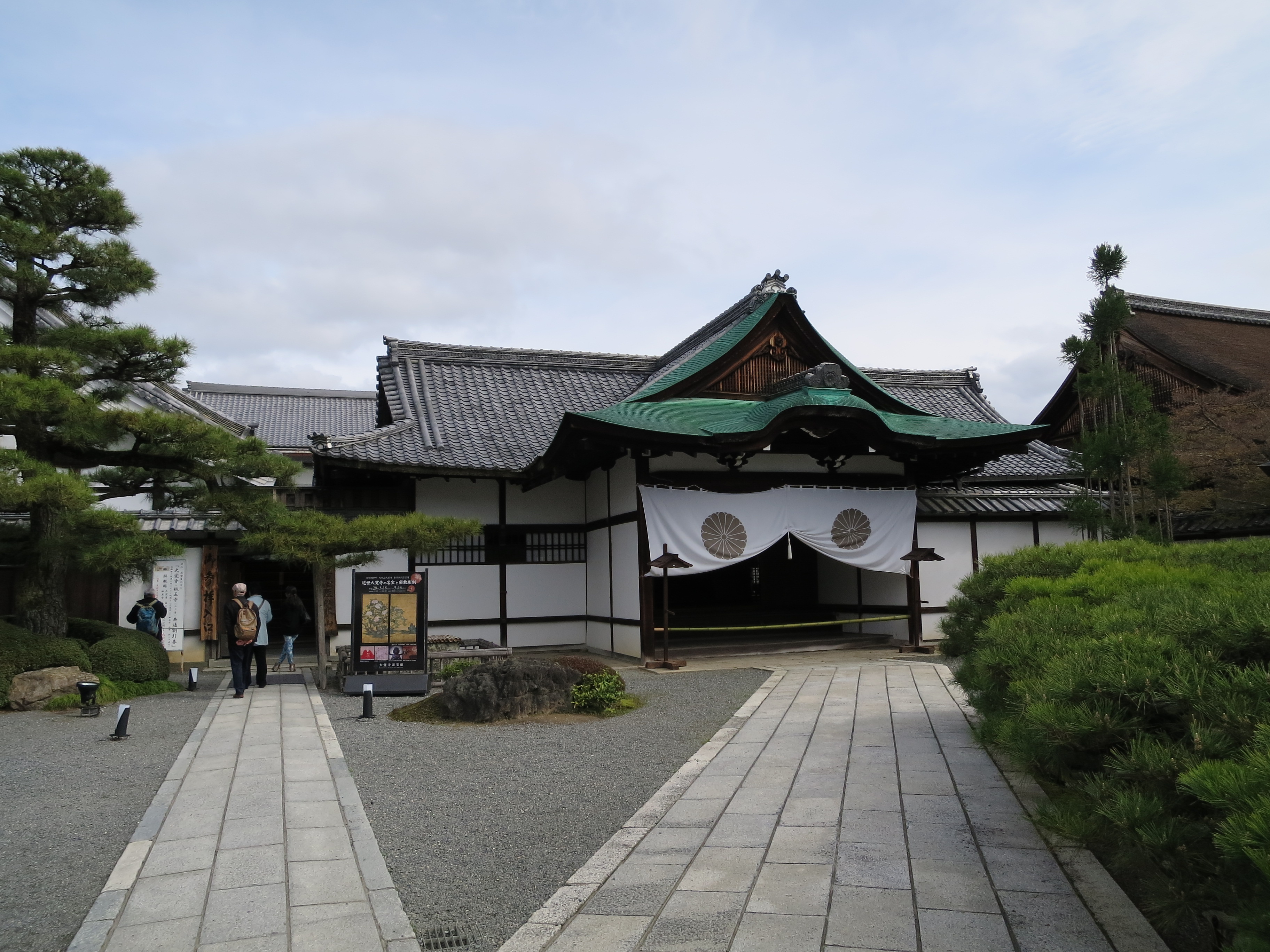
Daikaku-ji was originally an imperial villa of Emperor Saga, converted into a monzeki temple some time after his death by his daughter Princess Masako. The temple belongs to the Shingon sect of Buddhism, founded by Kobo Daishi aka Kukai. Daikaku-ji became the residence of retired Emperors, who were also the main priests at the temple. These retired Emperors retained their power through Insei, or cloistered rule while residing in Daikaku-ji.
Yasui-do enshrines a life-sized figure of Emperor Go-Mizunoo.
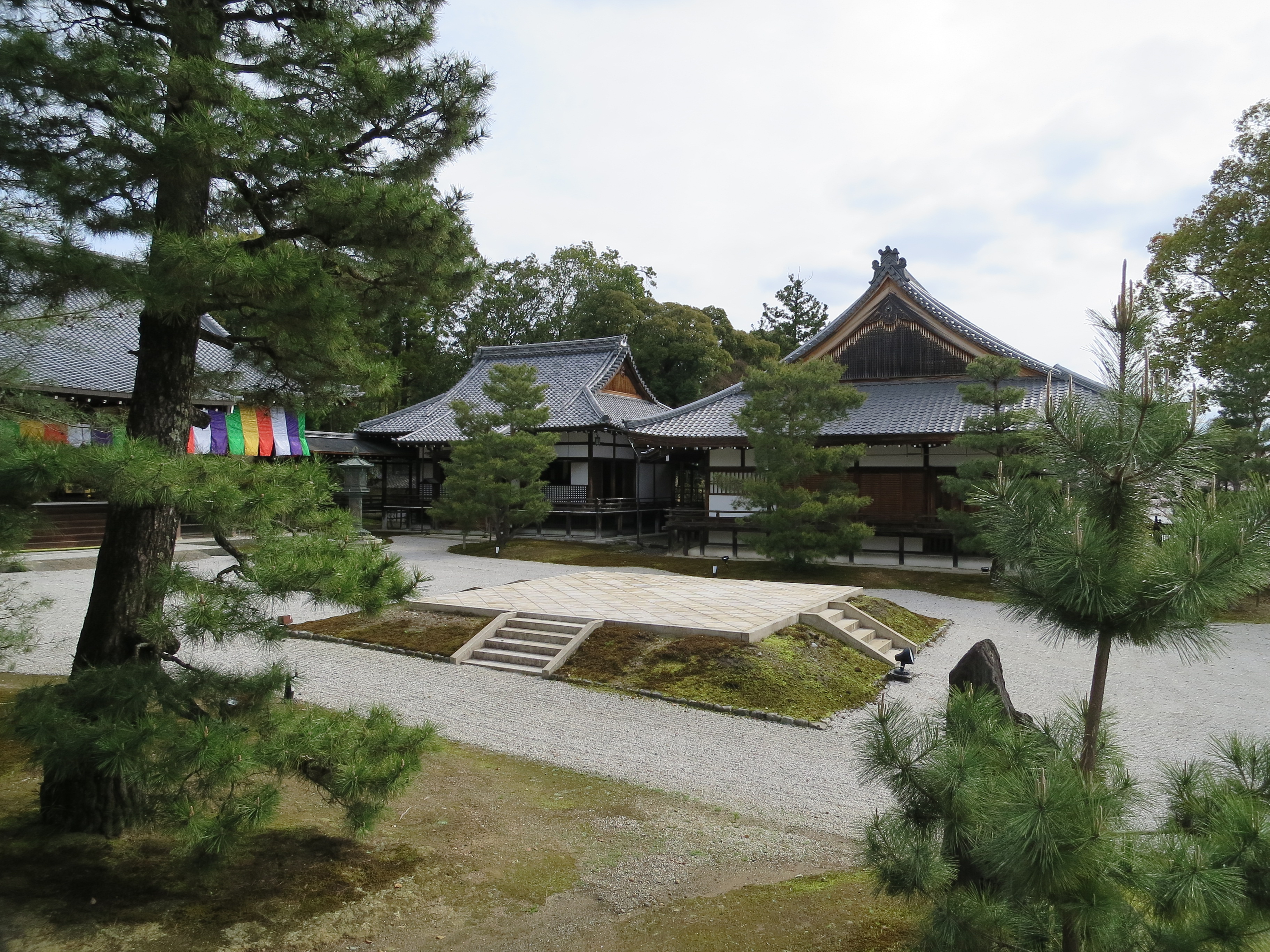
The Mie-do enshrines many important statues such as those of Kobo Daishi and Emperor Saga.
Daikaku-ji was central to some of the most important historical events, such as the peace conference between the Northern and Southern courts who were at a civil war during the Nanboku-cho period. The peace conference was held in the Shoshin-den.
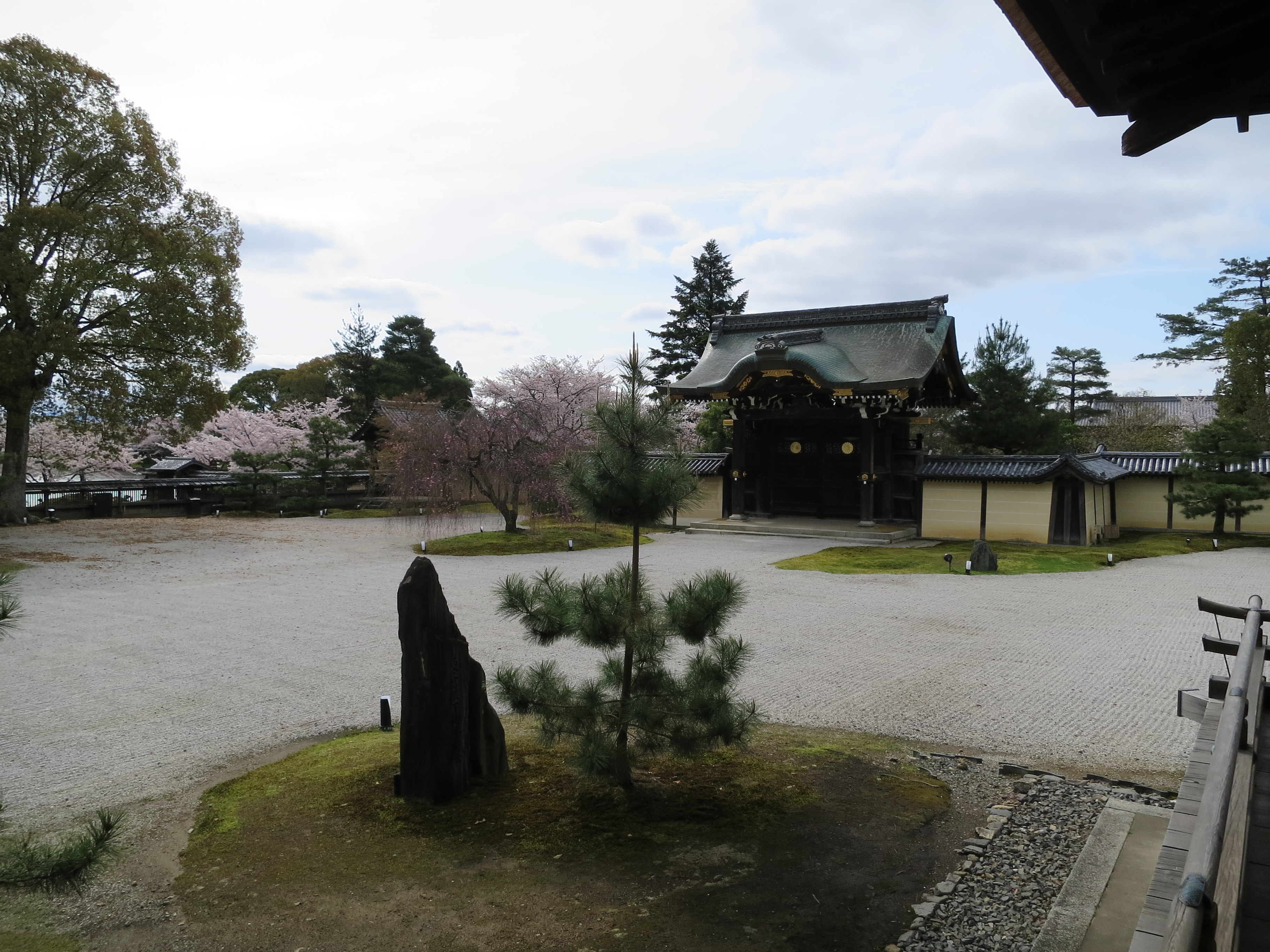
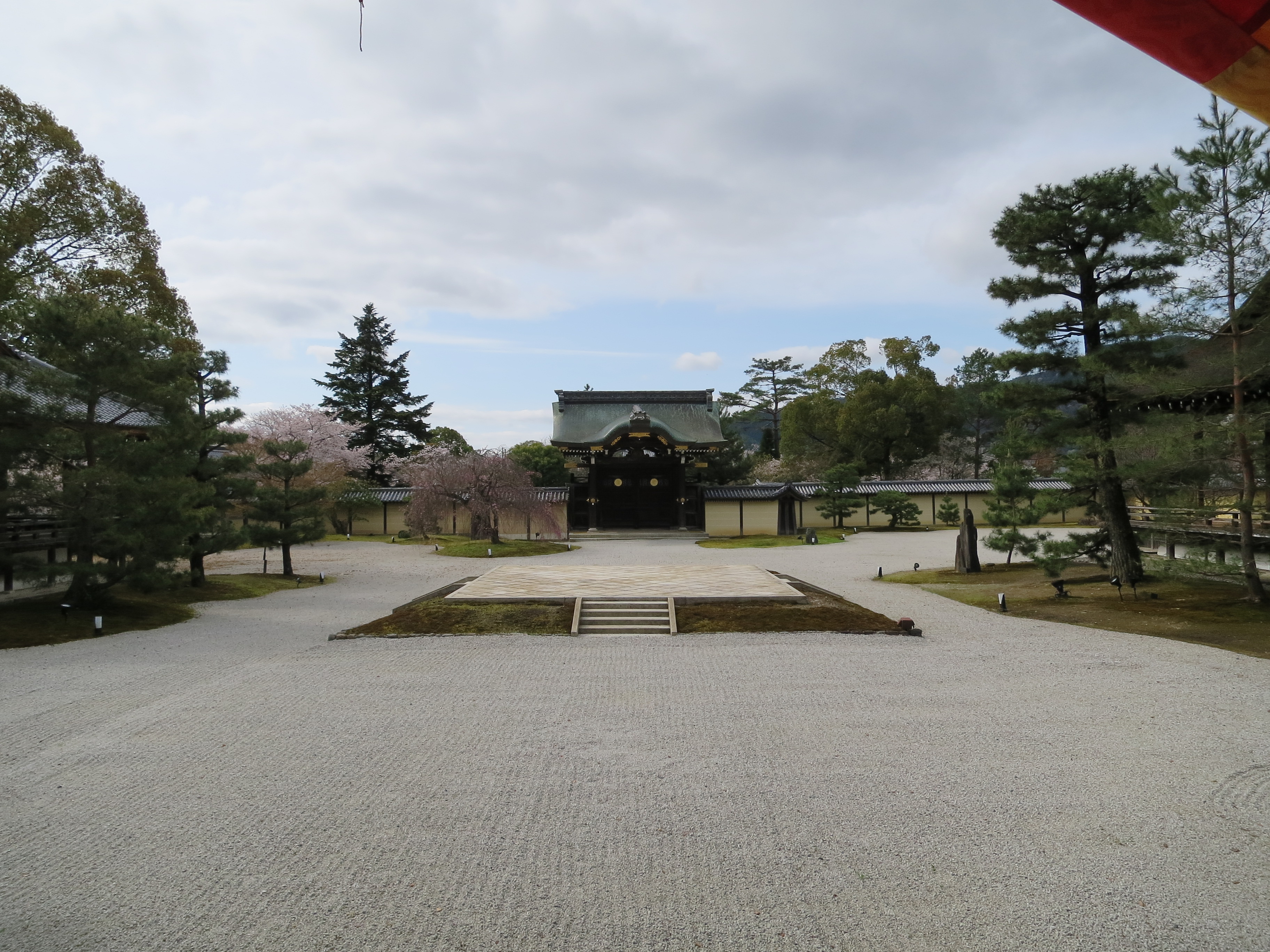
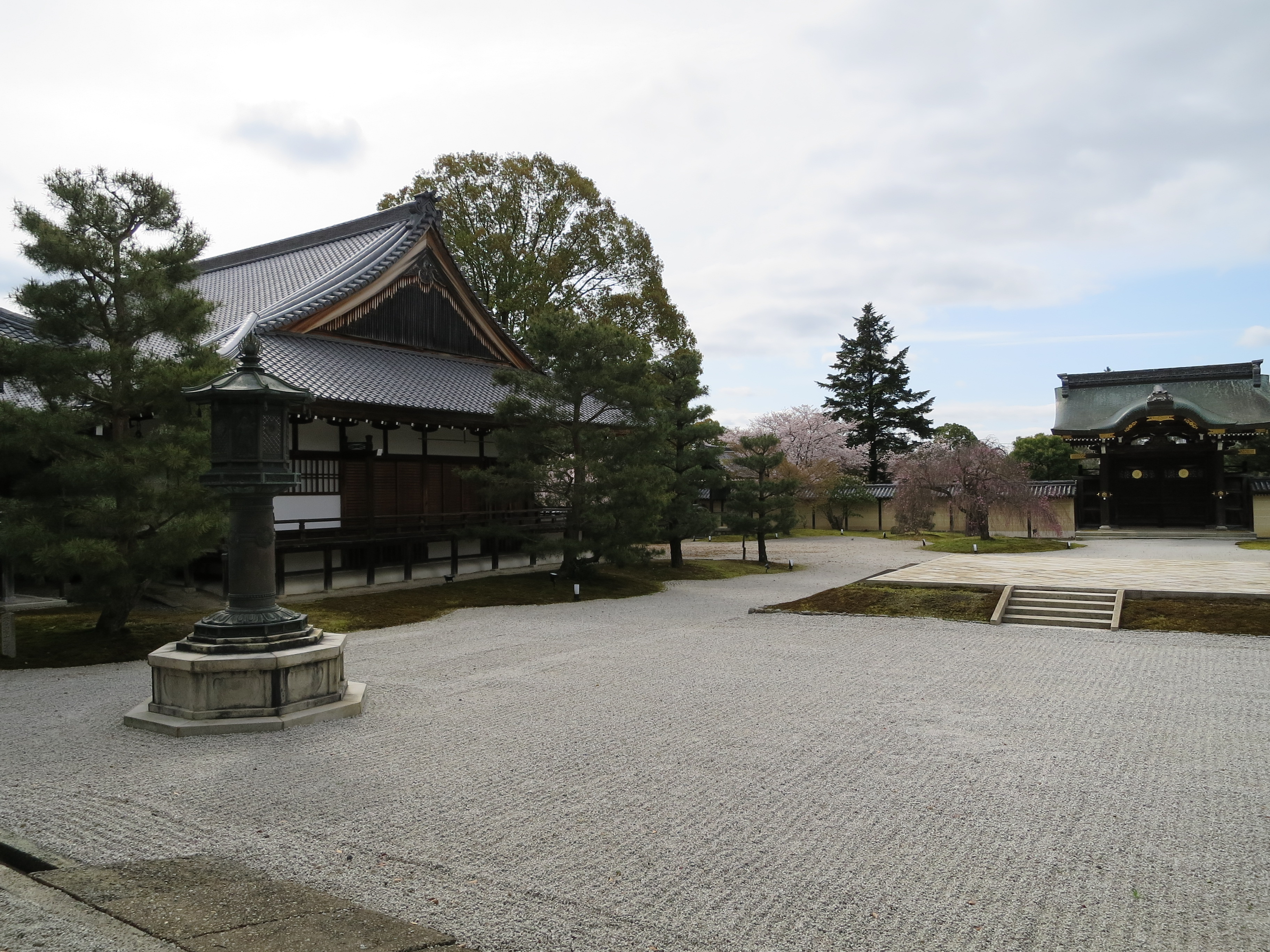
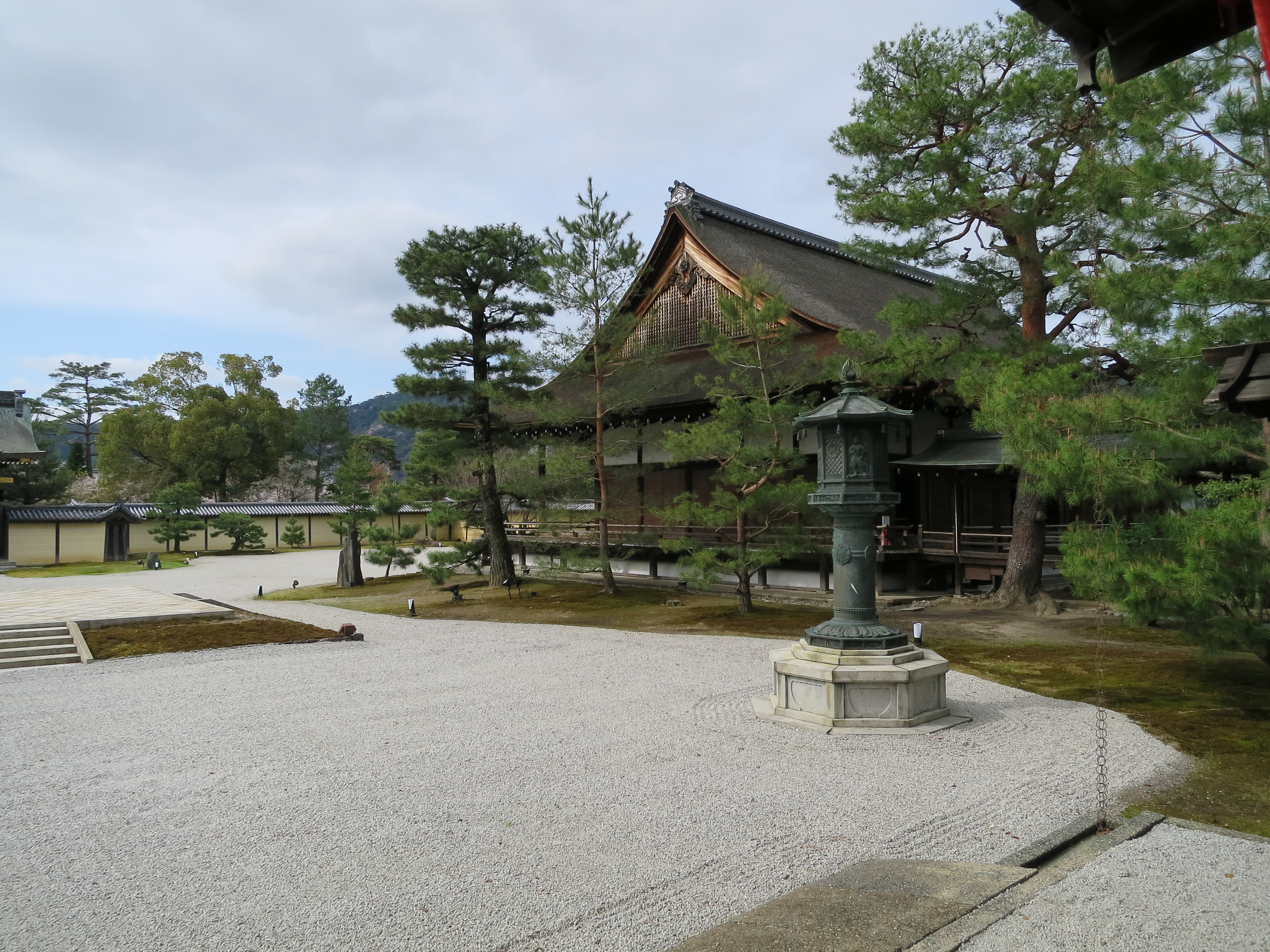
The Chokushi-mon (imperial messenger gate) is only open for the Emperor. The stone stage in front of it is what remains of the original Godai-do hall, currently used for performance.
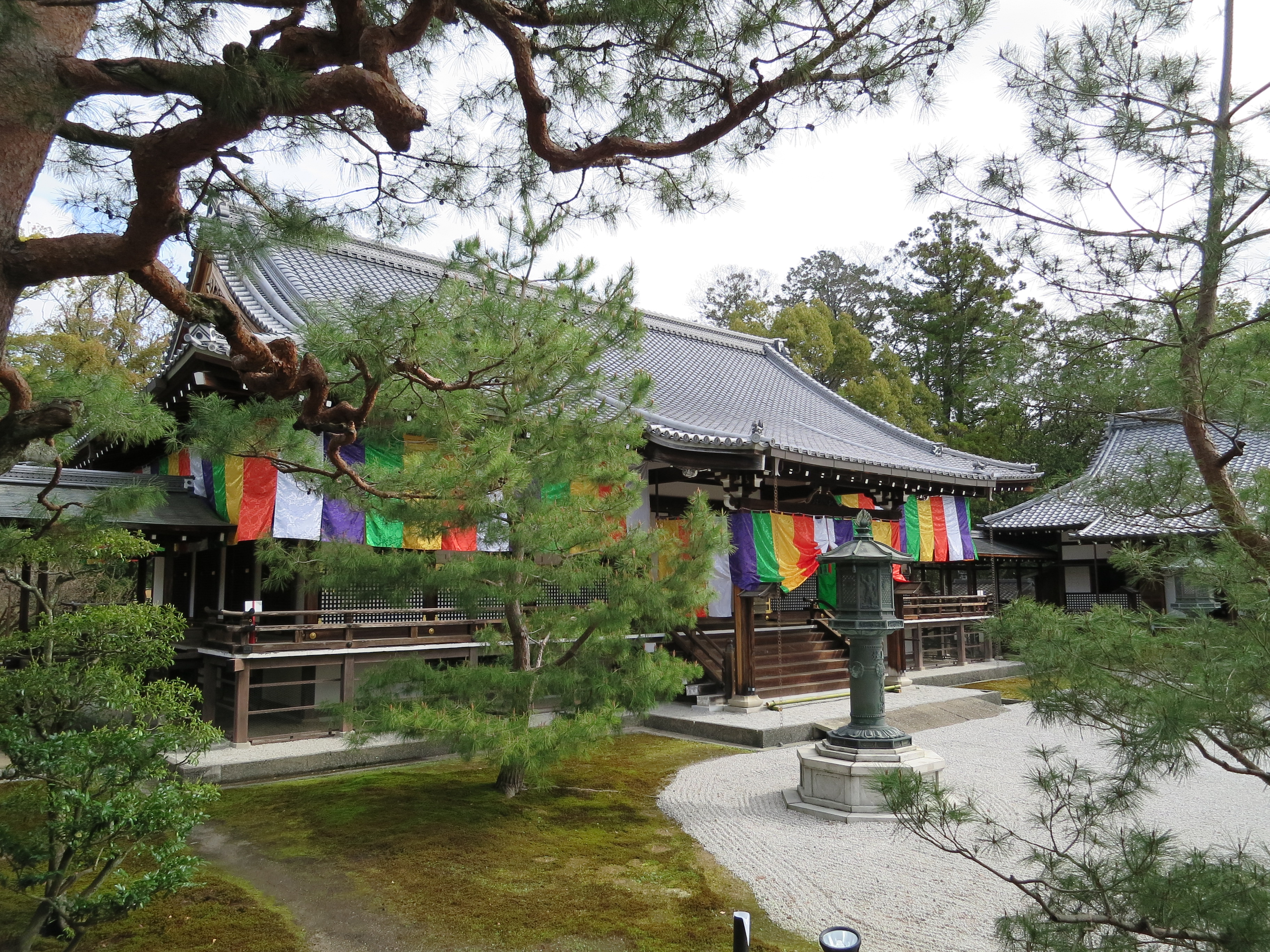
Godai-do, which is the main hall of the temple, enshrines the statues of the Five Wisdom Kings and centers on Fudo Myo-o (or Acala). This hall is where sutra-transcription sessions are being held.
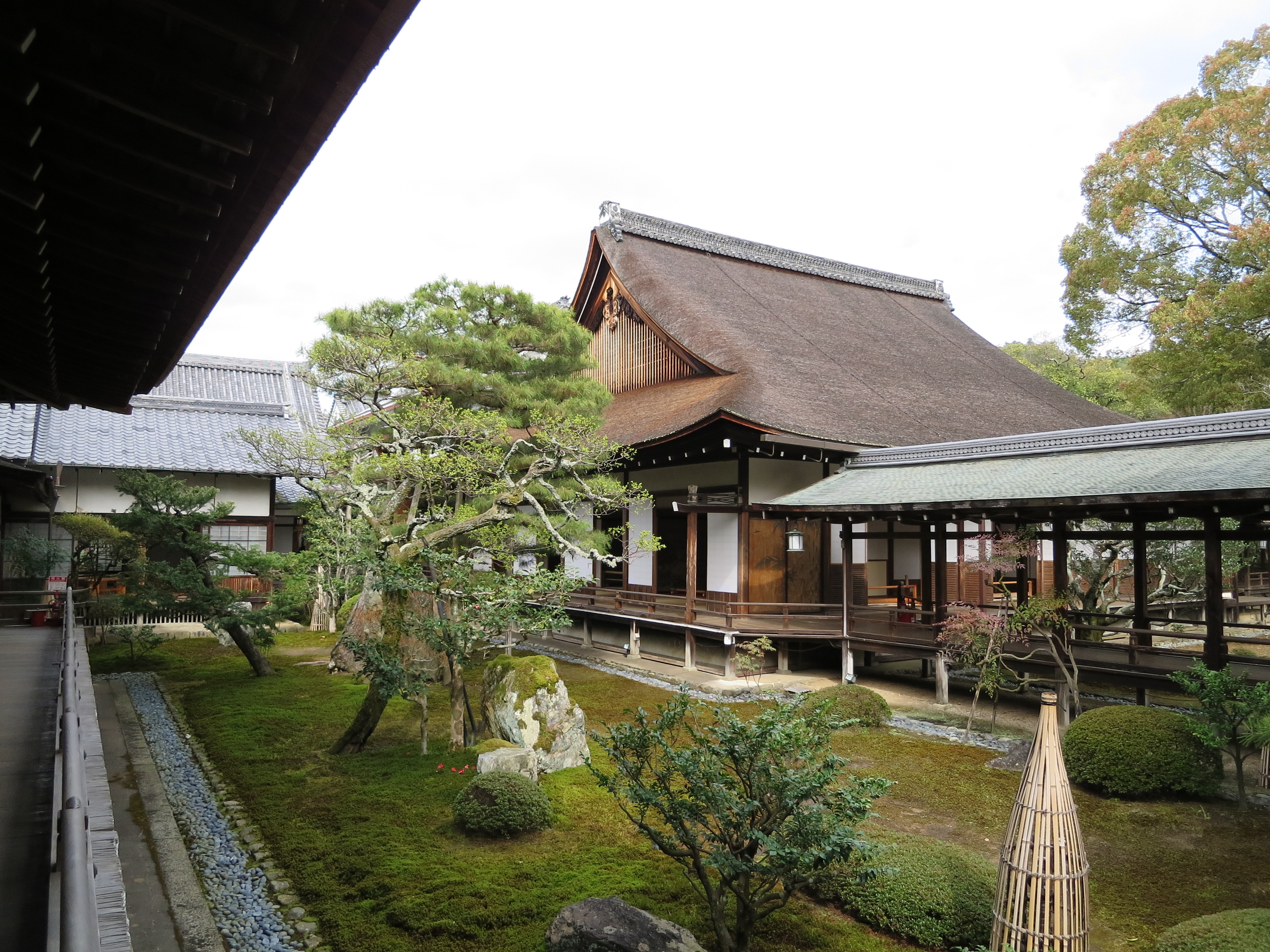
The Shinden hall, which was moved from the Imperial Palace in the 16th century, was used by Tofuku-mon-in Masako, daughter of Tokugawa Hidetada as a residence while serving as a consort to the Emperor.
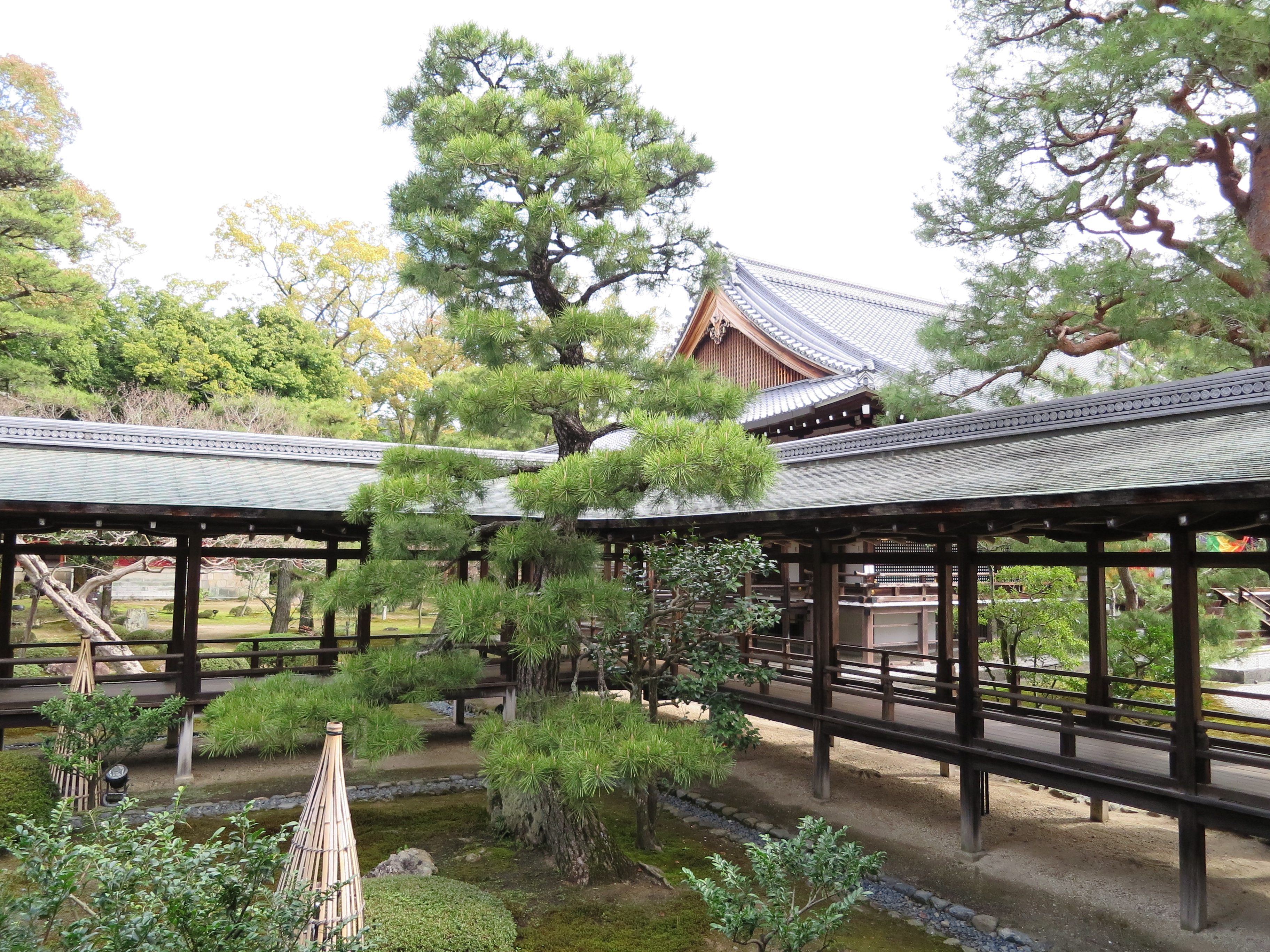
One of the highlights for me was walking from one building to another building, through the elevated wooden walkways called Murasame-no-roka, making it feel like I was in one of those jidaigeki drama (period drama). These are the uguisu-bari (nightingale floors), making squeaks so one could hear if the place is being invaded.
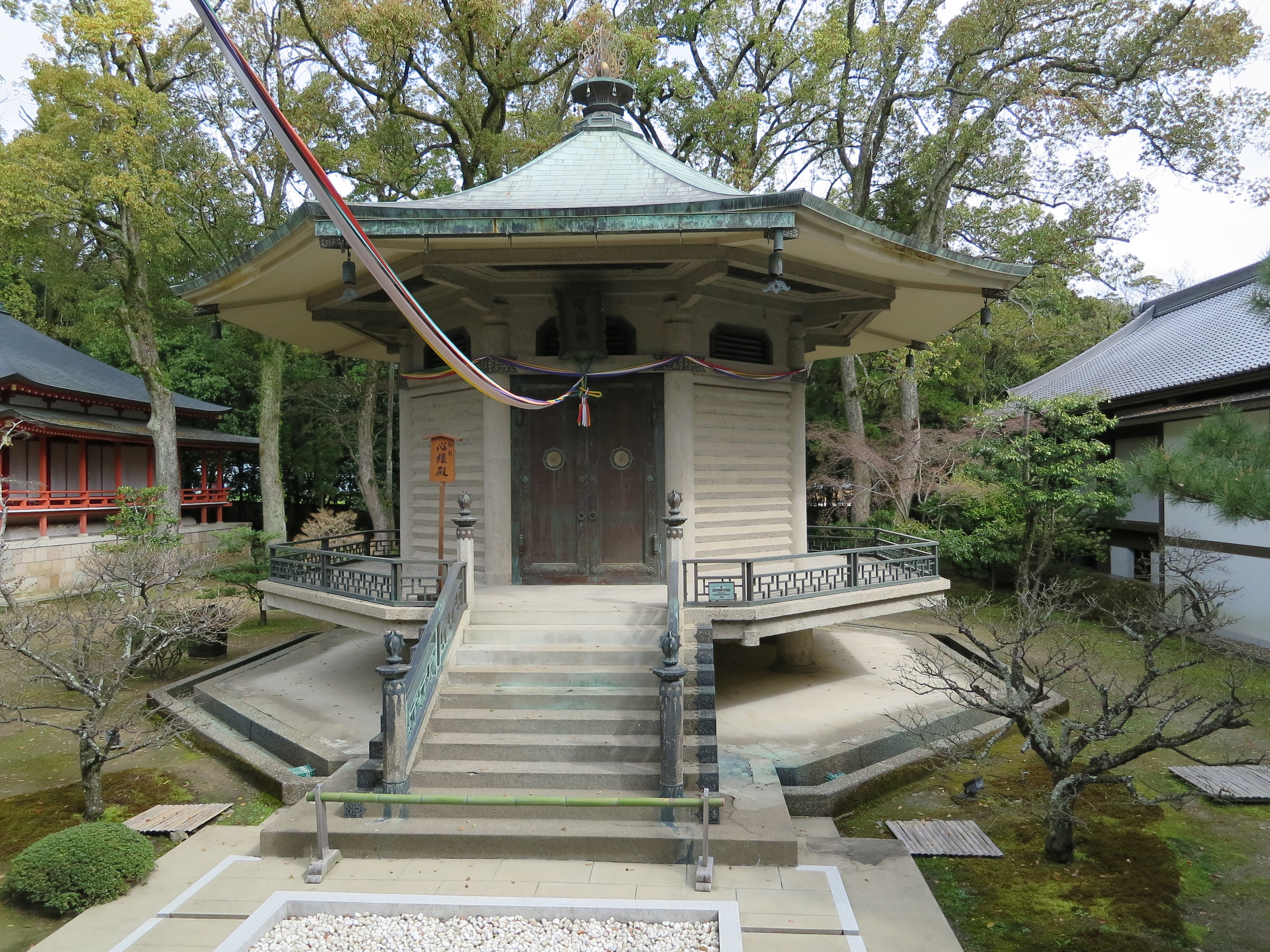
The temple houses a copy of the Heart Sutra, handwritten by Emperor Saga, as advised by Kobo Daishi, which was said to have ended a mysterious epidemic which devastated Kyoto during the Heian Period. The Heart Sutra is exhibited to the public once in every 60 years, the next in 2018.
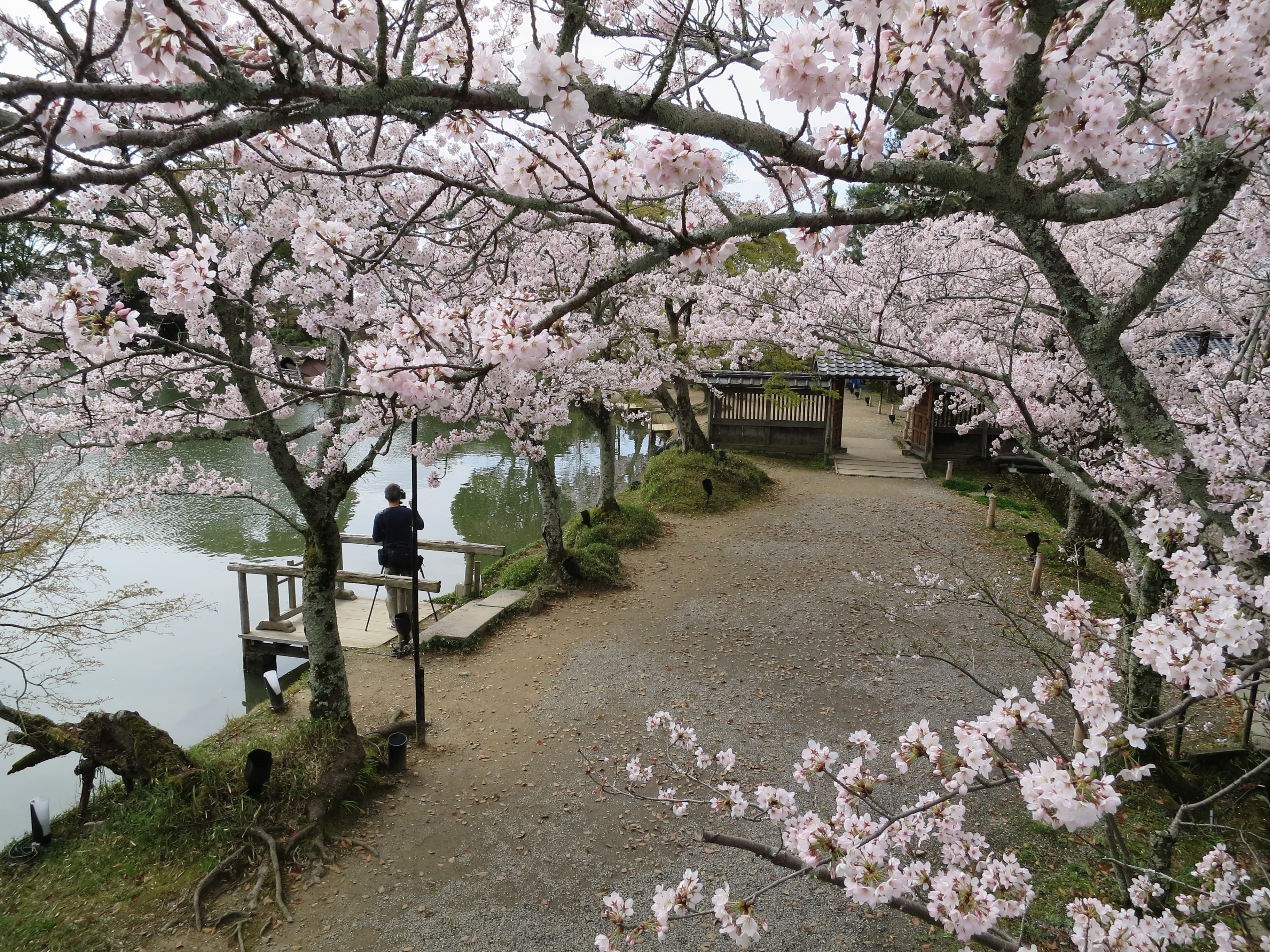
Next was the Osawa-no-ike, a man-made lake of which the remains are of the Shinden-type Japanese Gardens. Shinden Garden originated in the Heian period and featured a large pond with elevated walkways or bridges connecting the buildings to the ponds, and often islands or even waterfalls. No Shinden Garden survives today, the Osawa-no-ike is an incomplete survival of this type of garden. Seeing one would have been a feast to the eyes, but oh well.
The temple hosts a moon-viewing event in mid-autumn.
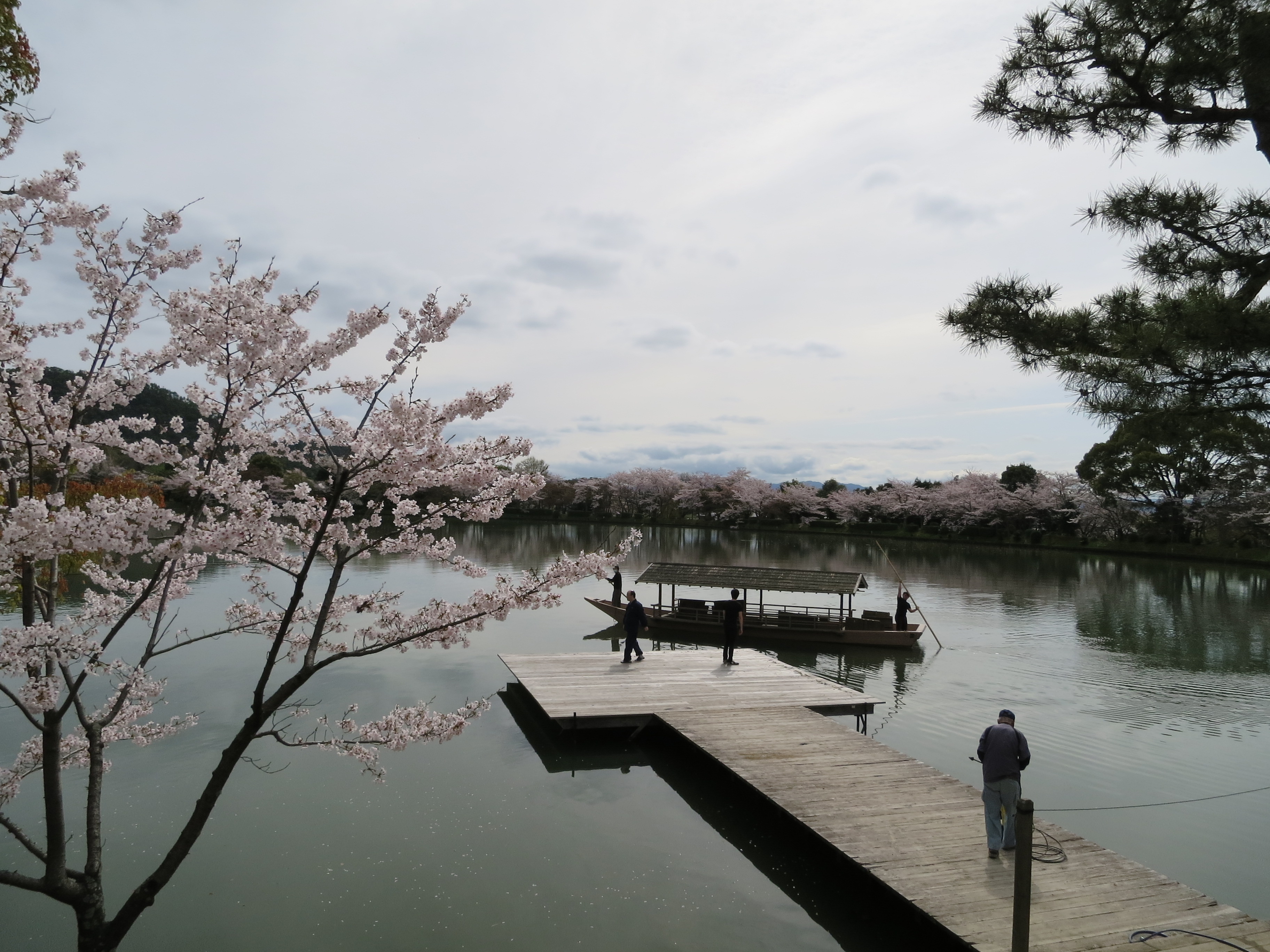
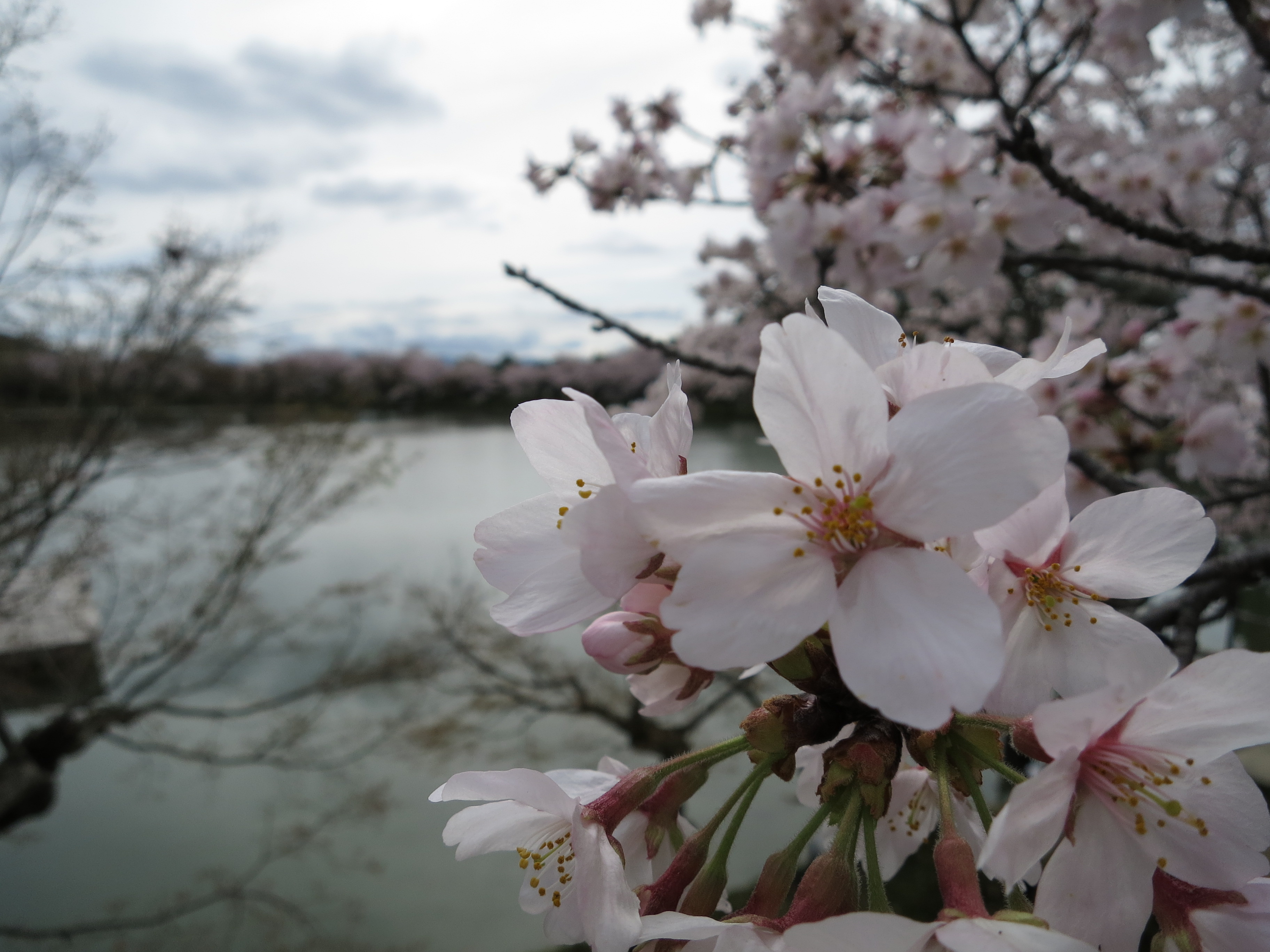
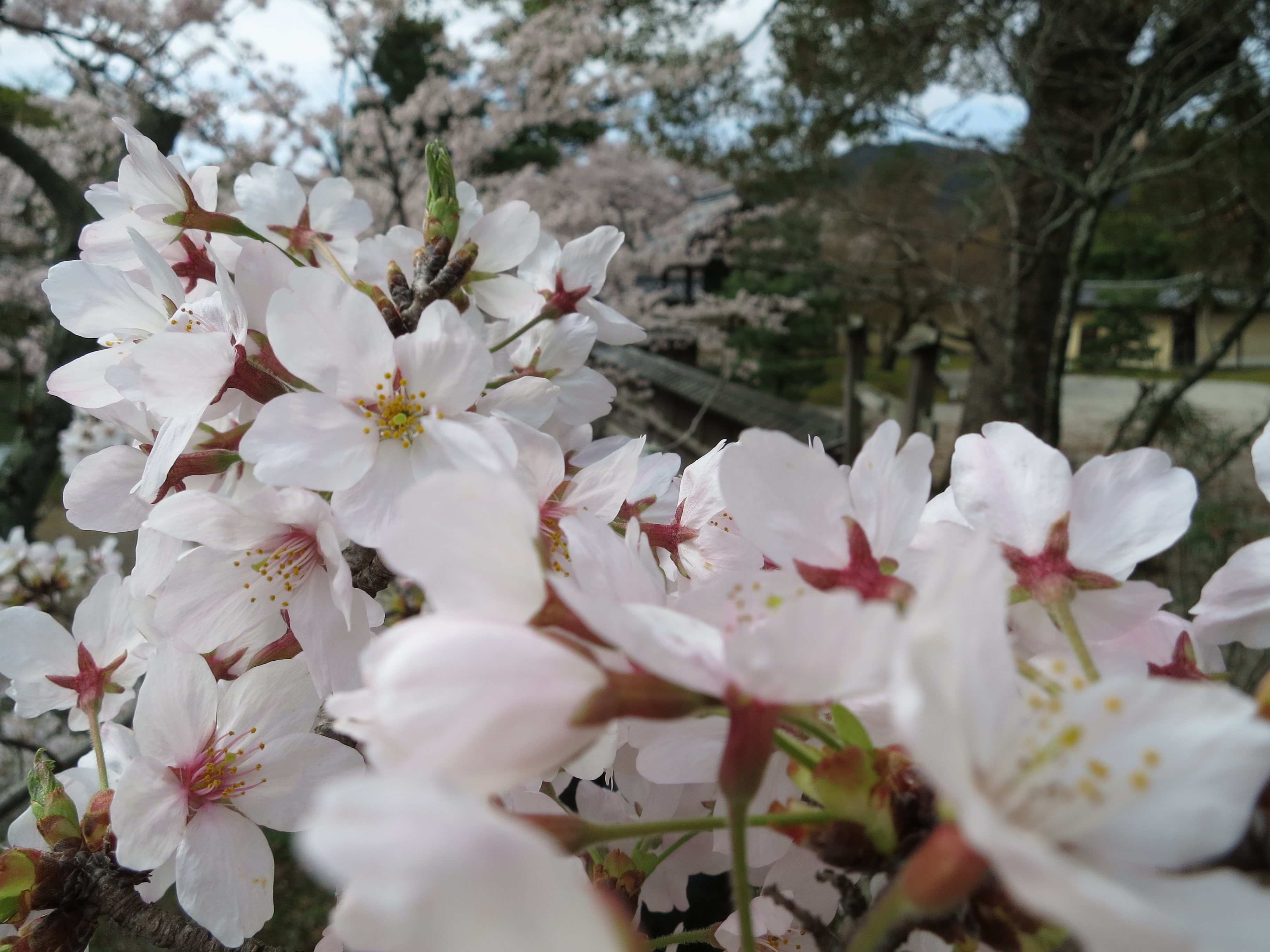
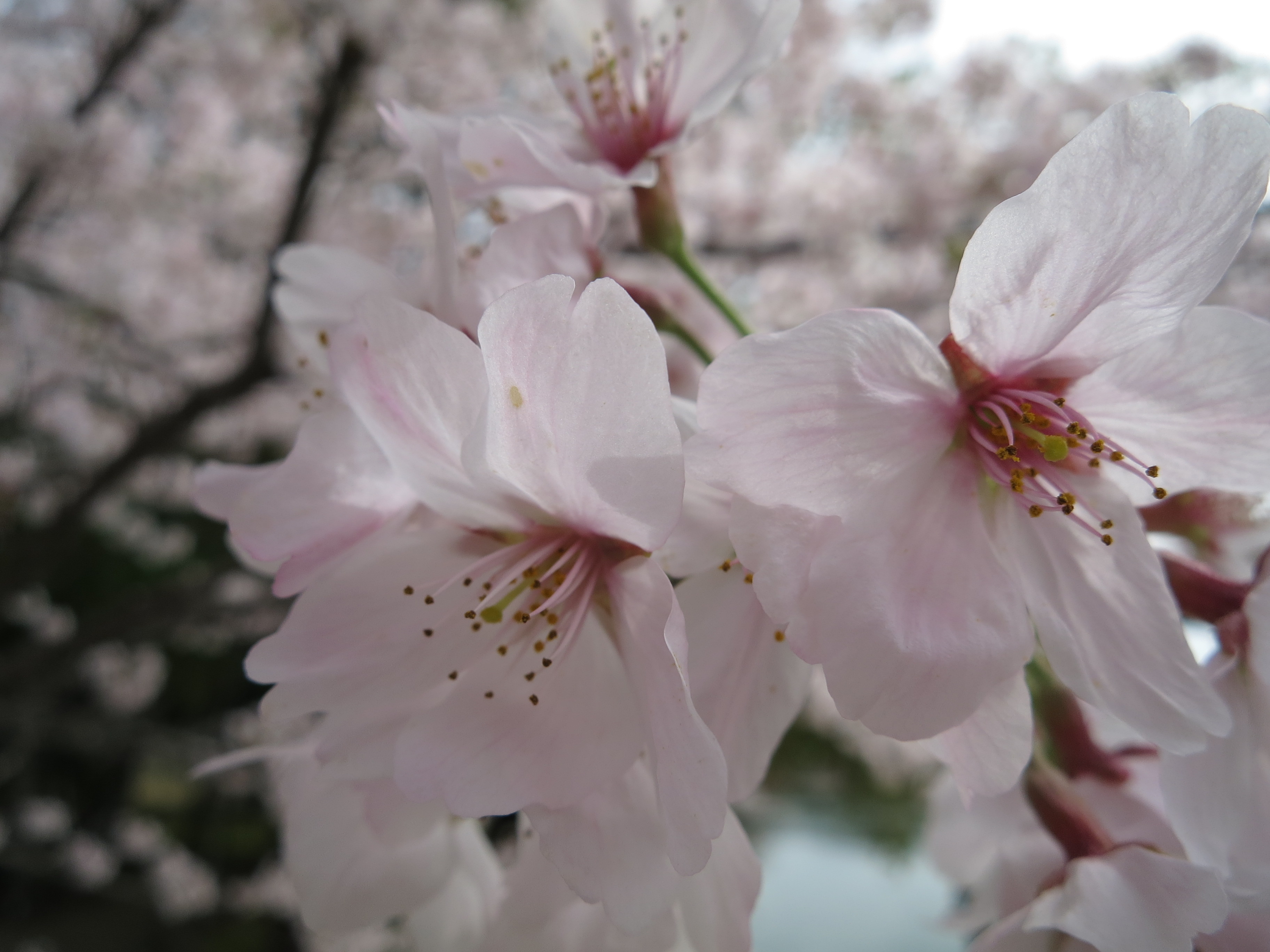
The blooming sakura was a consolation. I have seen pictures of this place in autumn, which is equally beautiful.
I need to revisit this temple, having missed the vermillion pagoda!
Daikaku-ji is not your average temple – the fact that the Emperors resided here after retiring makes a significant difference to the atmosphere. You should make your way here if you are visiting Arashiyama.




Leave a comment